
EICR & Electrical Safety Certificates for Isle of Man Landlords
Here is the honest local position, because most online advice gets it wrong for the Island: unlike England, the Isle of Man has no blanket law requiring an EICR every five years for an ordinary rented house. But that is not the end of the story. For HMOs and registered flats, periodic electrical inspection by a competent person is required; for every rental, an up-to-date electrical report is the recognised standard of care and is often a condition of your insurance or buy-to-let mortgage. So while it may not be a specific Manx statute for a standard let, getting one is still the right — and increasingly expected — thing to do.
What an EICR is
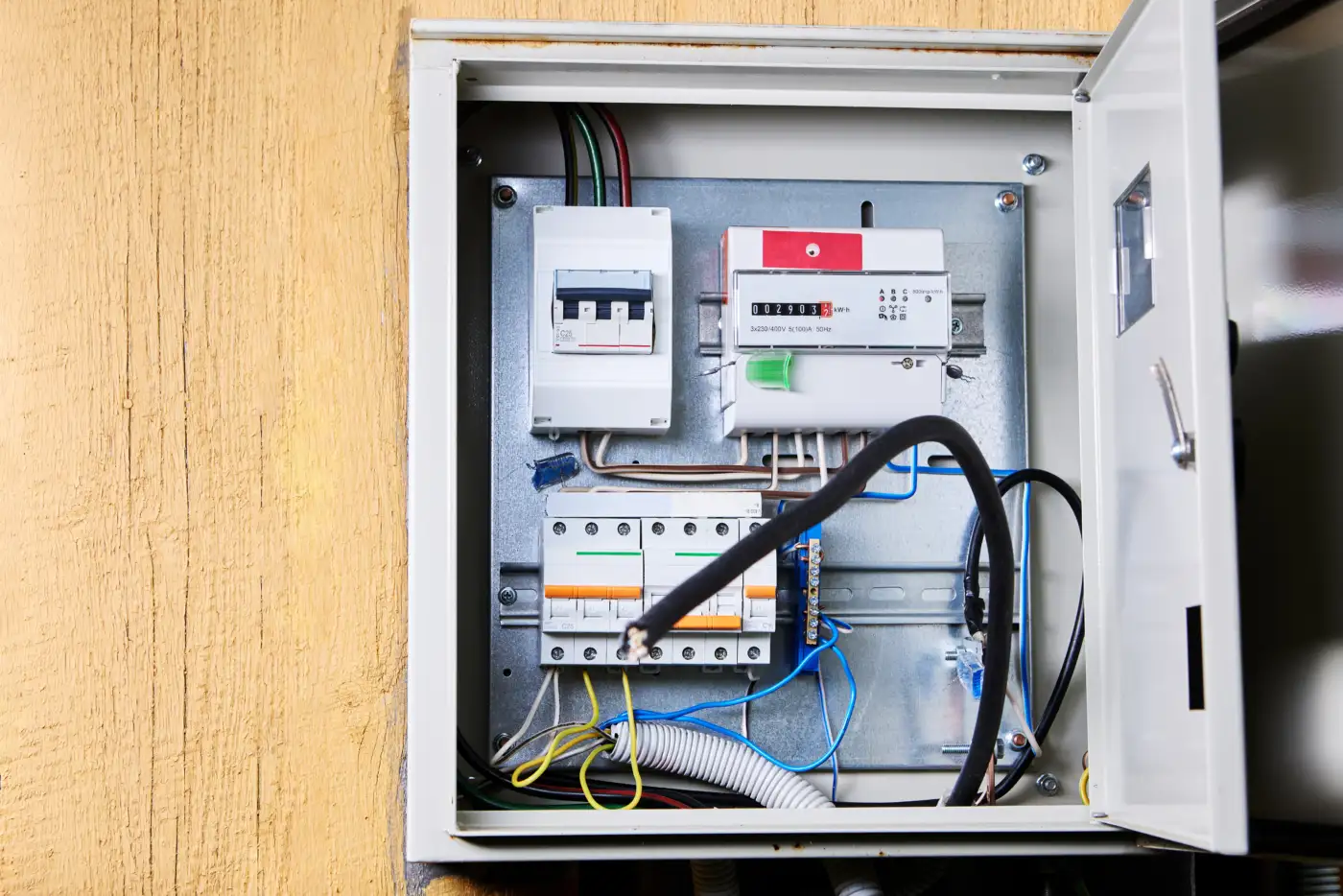
An Electrical Installation Condition Report (EICR) is a formal inspection and test of a property’s fixed electrical installation — the wiring, consumer unit (fuse board), sockets, switches, light fittings and earthing — against the UK wiring standard BS 7671. It’s the electrical equivalent of a gas safety check (NICEIC).
The report grades each issue with a code:
- C1 – danger present (immediate risk) — makes the report unsatisfactory;
- C2 – potentially dangerous — makes the report unsatisfactory;
- C3 – improvement recommended — the report can still be satisfactory;
- FI – further investigation required — makes the report unsatisfactory.
A “satisfactory” report has no C1, C2 or FI items. Anything else means remedial work is needed before it passes.
The legal position on the Isle of Man
This is where Island landlords need accuracy, not copied-and-pasted English guidance.
England’s rule is England’s only. The Electrical Safety Standards in the Private Rented Sector (England) Regulations 2020 require landlords to have a fixed-wiring inspection at least every five years and obtain an EICR (legislation.gov.uk). Scotland, Wales and Northern Ireland each have their own versions. None of these extend to the Isle of Man, which is a self-governing Crown Dependency with its own legislation.
HMOs and flats are different. Privately rented flats and Houses in Multiple Occupation on the Island have been subject to registration and condition standards since 2014, and the Island’s HMO standard regulations require periodic inspection of gas, electrical and oil installations by competent persons, with records kept for at least five years (gov.im — HMO standard regulations). If you let a flat or an HMO, periodic electrical inspection is effectively expected of you.
For an ordinary rented house, it’s coming — but not here yet. The Landlord Registration (Private Housing) Act 2021 passed but, as things stand, has not been commenced and registration remains voluntary (Manx Radio). So for a standard single-family let there is currently no specific Manx statute mandating an EICR — the duty rests on general safety responsibilities, best practice, and your insurer’s or lender’s conditions.

Don’t import England’s rule — but don’t ignore the report either
It’s tempting to read a UK article, see “every five years, it’s the law,” and either panic or assume it doesn’t apply at all. The accurate middle ground: it is the law for England’s rentals and for IoM HMOs/flats, and best practice everywhere else. The reasons to have one even without a Manx statute are practical and serious:
- Insurance and mortgages. Landlord insurance policies and buy-to-let mortgage terms increasingly expect a current EICR; a claim could be challenged without one.
- Duty of care and liability. If faulty wiring causes a fire or injury, “there was no specific law” is no defence against a negligence claim.
- Getting ahead of registration. When the 2021 Act is eventually commenced and minimum standards bite, landlords with current reports won’t be scrambling.
Electrical Safety First recommends a check every five years for rented homes (and at change of tenancy), and every ten years for owner-occupiers — “wherever you are in the UK and whatever the tenure” (Electrical Safety First).
Who can carry one out — and what it costs
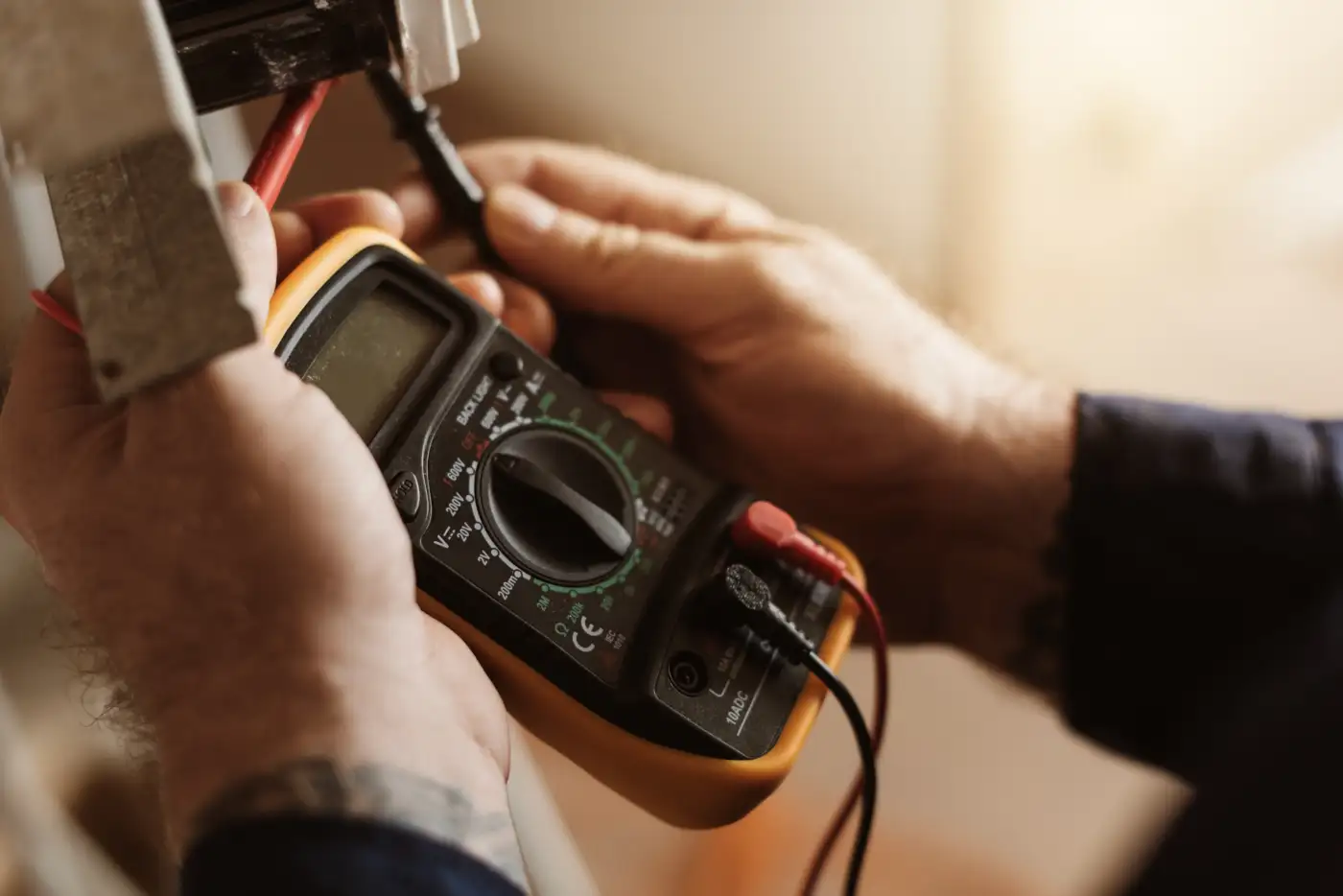
An EICR must be done by a qualified, registered (“competent”) electrician. In the UK the leading schemes are NICEIC and NAPIT; on the Isle of Man, electrical work in homes falls under Part P of the Island’s Building Regulations, and NICEIC is recognised locally for self-certification of building-control work (IoM Planning & Building Control). The practical takeaway: use a competent, scheme-registered electrician — ideally a local one familiar with Island properties.
On cost, Island prices track the UK. As a guide, an EICR typically runs £150–£300 for a standard home — roughly £100–£180 for a flat, up to £350 or more for larger houses and HMOs — with the main driver being the number of circuits tested (Total Skills cost guide). Get a quote for your specific property; see the services we cover and read about Fenshaw.
The honest summary: no blanket five-year EICR law for ordinary Manx rentals today — but a real requirement for HMOs and flats, the recognised standard of care for all, and the smart move before registration arrives.
Frequently asked questions
Do Isle of Man landlords need an EICR? There’s no blanket Manx law for ordinary rented houses, unlike England’s 2020 Regulations. But HMOs and flats require periodic electrical inspection by a competent person, and an EICR is strongly recommended — and often an insurance condition — for all rentals.
What is an EICR? An Electrical Installation Condition Report: a formal inspection and test of a property’s fixed wiring, consumer unit, sockets and earthing against BS 7671, graded satisfactory or unsatisfactory. It’s the electrical equivalent of a gas safety check.
How often do you need an EICR? Best practice is every five years for rented homes (and at change of tenancy), and every ten years for owner-occupiers — the standard Electrical Safety First recommends regardless of tenure.
How much does an EICR cost? Typically £150–£300 for a standard home (around £100–£180 for a flat, up to £350+ for larger houses or HMOs). Cost depends mainly on the number of circuits. Isle of Man prices broadly track the UK.
Who can do an EICR? A qualified, registered (“competent”) electrician — in the UK typically NICEIC- or NAPIT-registered. NICEIC is recognised on the Isle of Man for building-control work; always use a scheme-registered electrician.