
Blocked Drains: What to Try, What Not to, and When to Call a Pro
Most blocked sinks and basins clear with a plunger, a drain snake, or by cleaning out the U-bend — finished off with hot, not boiling, water. What you should not reach for is a bottle of caustic chemical cleaner. And on the Isle of Man there's a question that decides who even pays for the fix: is the blockage on your side of the network, or Manx Utilities'? Here's the practical order to work through, the mistakes to avoid, and when it's time to call a pro.
What causes blocked drains
Most blockages come down to what goes down them: fat, oil and grease that cool and solidify; wet wipes (even "flushable" ones, which don't break down like loo paper and are the core of fatbergs, per Water UK); hair and soap scum in bathrooms; and food waste in kitchens. Older properties — common across the Island — also see blockages from scale, tree roots, and ageing or collapsed pipes, which cause repeat problems no amount of plunging will cure.
What to try at home, safely
Work through these in order (Which?):
- Plunger. Block the overflow (and the second bowl of a double sink) with a wet cloth so pressure can't escape, cover the plughole with a little water, and plunge with firm, steady thrusts without breaking the seal.
- Hot — not boiling — water. A kettle of hot tap water (see the warning below) helps flush softened grease after you've plunged.
- Bicarbonate of soda and vinegar. For mild build-up: a cup of each, leave to fizz for ten minutes, then flush with hot water. Good for upkeep, not solid clogs.
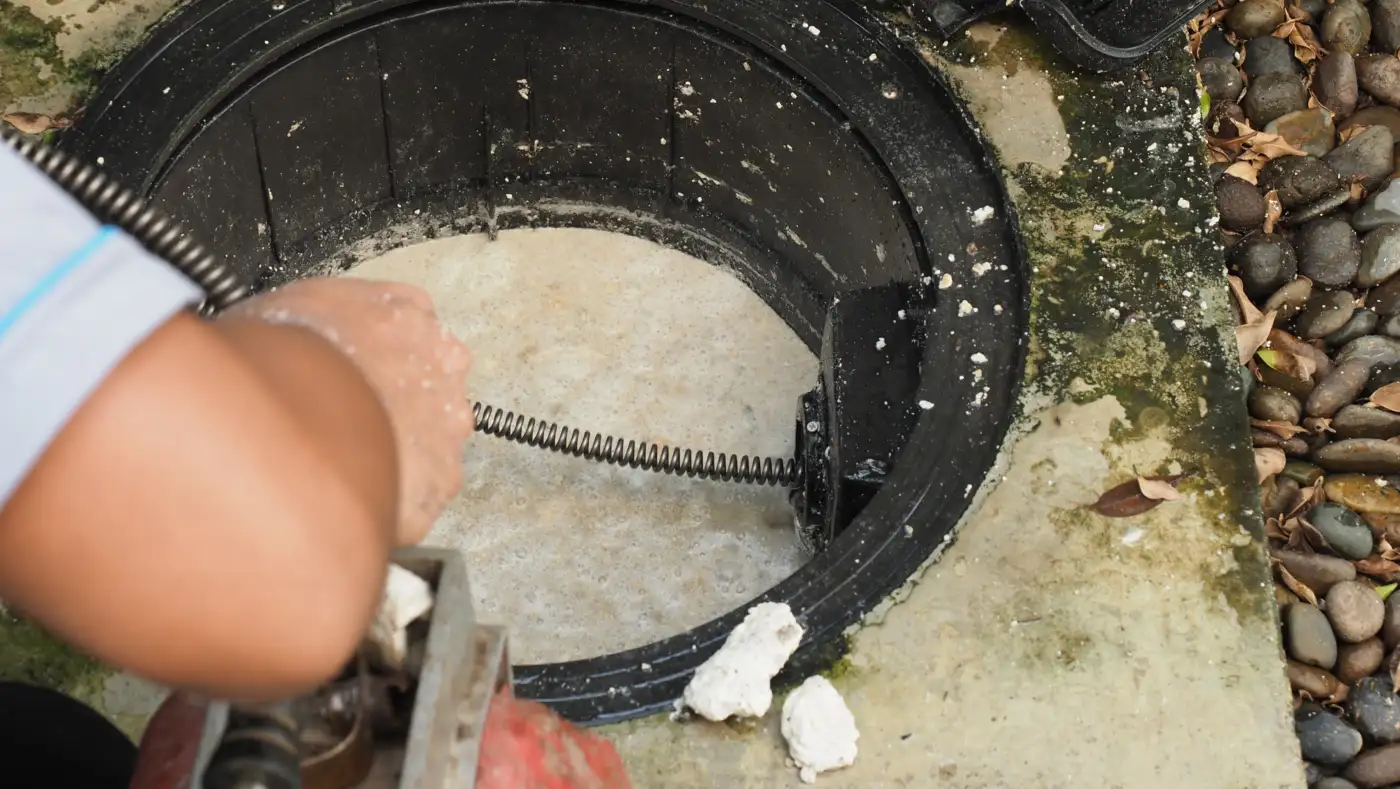
- A drain snake or auger. Feeds in to physically hook out hair and debris where a plunger can't reach.
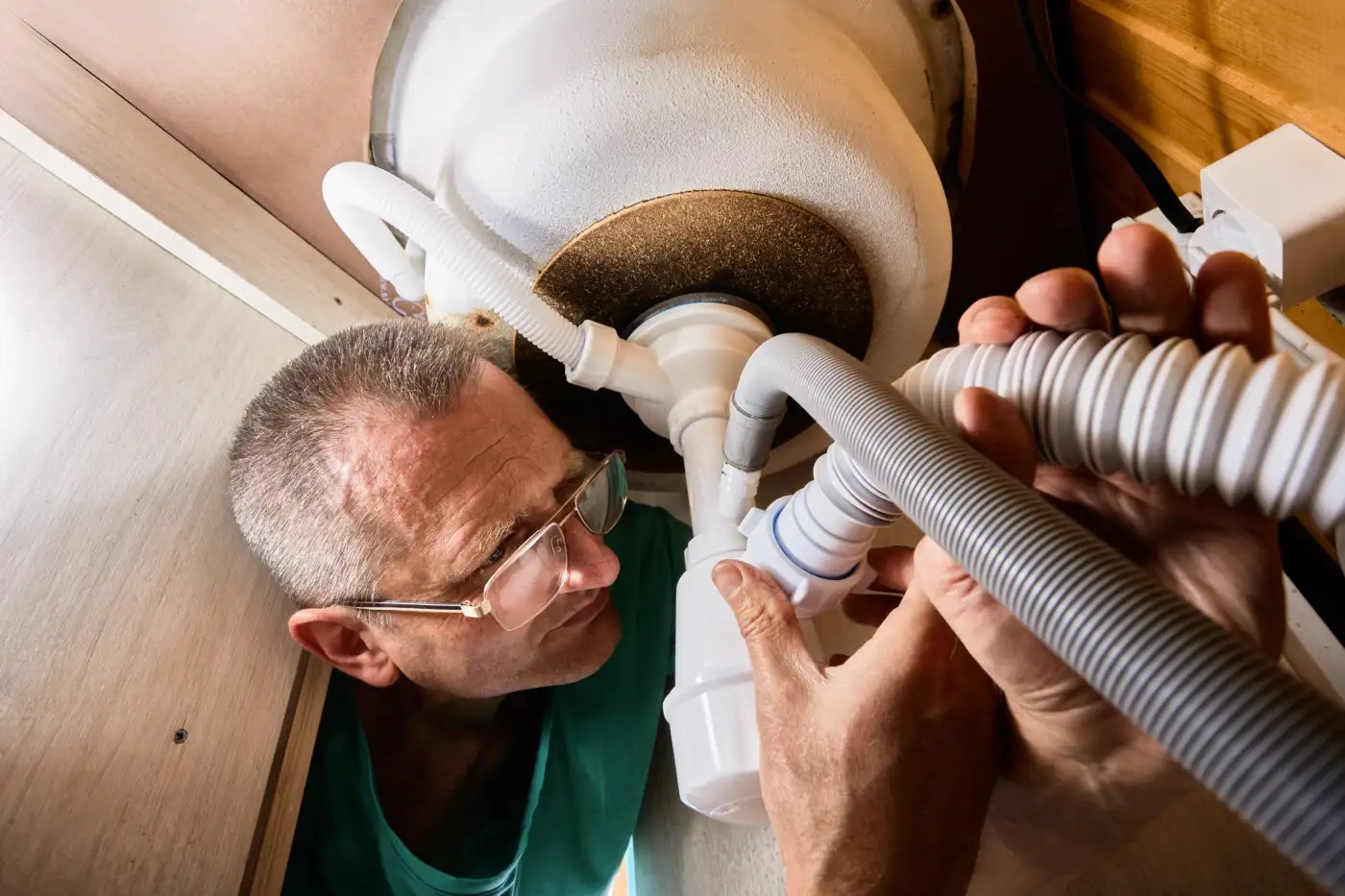
- Clean the U-bend. With a bucket and towel underneath, hand-loosen the trap, clear the gunk, and refit — checking for leaks.
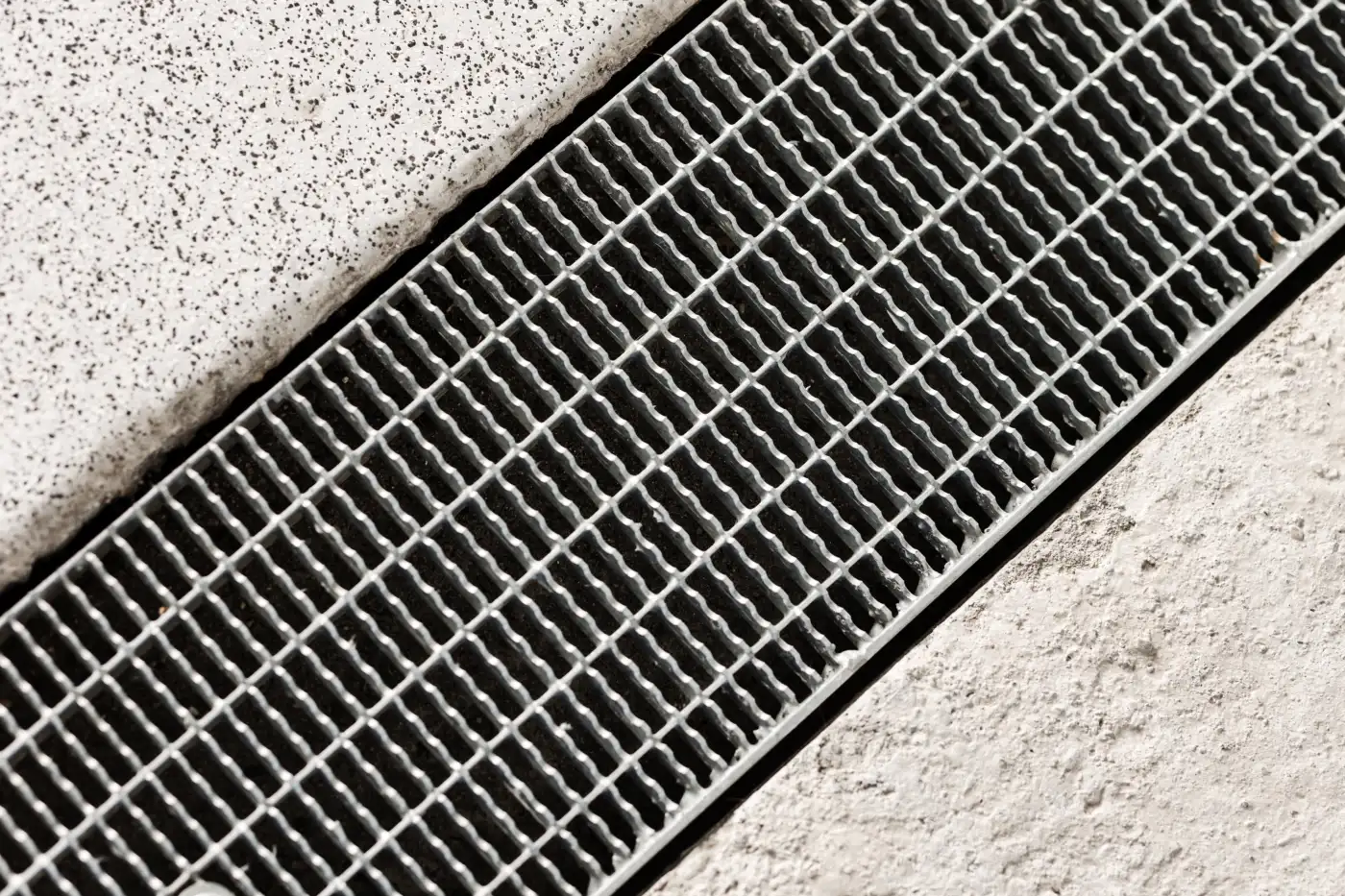
- Check the outside gully or drain. Gloves and eye protection on, lift the grid and clear silt by hand; for deeper blockages, drain rods are pushed and turned clockwise only (anticlockwise unscrews the joints and you can lose a rod).
What not to do
- Don't lean on caustic chemical drain cleaners. They generate heat that can soften and warp plastic pipes, corrode older metal ones and crack ceramics — and once they eat through a pipe, you have a leak far costlier than the blockage (Thornton & Grooms). They also burn skin and eyes, give off fumes, and harm the environment. It's why most professionals avoid them in favour of plunging, snaking and jetting.
- Don't pour boiling water down the drain. Plastic waste pipes are rated below boiling point and can warp, and sudden heat can crack a ceramic WC or melt the seal. Use hot, not boiling.
- Don't ignore repeat blockages. A drain that keeps clogging is telling you there's an underlying fault — build-up, roots, or a damaged pipe — that DIY only masks.
When to call a professional
Bring in a pro when:
- the same drain keeps blocking despite clearing it;
- several fixtures back up at once, or one gurgles when you use another — a sign of a shared or main-line blockage, not a single trap;
- there's a sewage smell or sewage backing up — stop using water and call out;
- you suspect a collapsed pipe or tree roots — that needs a CCTV survey;
- or the problem may be outside your boundary — which, on the Isle of Man, raises the question of who's responsible.
Who's responsible for a blocked drain on the Isle of Man
This is where Island readers are routinely misled by UK articles. On the mainland (England and Wales), most private sewers and the lateral drains beyond your boundary were transferred to the water companies in 2011 (UK Parliament briefing). That transfer does not apply on the Isle of Man.
Here, according to Manx Utilities:
- The property owner (or landlord) is responsible for the drains carrying household wastewater up to the point where they connect to the public sewer — and that point can be beyond your boundary.
- Manx Utilities is responsible for public foul, combined and surface-water sewers — and a sewer generally becomes "public" where it carries flow from more than one property.
- Highway drains are maintained by the Highway Services Division of the Department of Infrastructure.
A simple test: a problem affecting only your home is almost certainly yours (call a plumber or drainage contractor); several properties or area flooding is likely public (call Manx Utilities). If you're not sure, Manx Utilities can tell you which side of the line a blockage falls on.
One more local point: many rural Island homes are off-mains, on septic tanks or private treatment systems, where the owner is responsible for the whole system — including emptying and discharge, which is regulated locally. If that's you, don't apply mainland "general binding rules"; check the Island's own requirements.
So: try the plunger, the snake and the U-bend, keep the caustic chemicals and the boiling kettle away from your pipes, and when a blockage keeps coming back — or might be on the public side — get it looked at properly. You can see the drainage and plumbing work we cover and read about Fenshaw.
Frequently asked questions
How do I unblock a drain myself? Try a plunger (block the overflow first), then a drain snake or cleaning the U-bend, and finish with hot — not boiling — water. Bicarbonate of soda and vinegar suits mild build-up but won't shift a solid clog.
What should you not put down a drain? Never pour fats, oils or grease down the sink, and bin all wet wipes — even "flushable" ones — plus nappies and sanitary items. Down the toilet, stick to the three Ps: pee, poo and paper.
Who is responsible for a blocked drain on the Isle of Man? The owner or landlord is responsible up to where the drain meets the public sewer — which can be beyond the boundary. Manx Utilities handles public sewers, generally those serving more than one property.
When should I call a professional for a blocked drain? Call a pro for recurring blockages, several drains backing up at once, sewage smells or back-ups, a suspected collapsed pipe or tree roots, or anything that might be outside your boundary.
Are chemical drain cleaners bad for pipes? Caustic cleaners can corrode and warp pipes, crack ceramics, burn skin and give off fumes — sometimes costing more than the blockage. Professionals prefer plunging, snaking, jetting or enzyme cleaners.