
To choose a bathroom or kitchen fitter on the Isle of Man, get written, itemised quotes from two or three firms, check references and recent finished work, and confirm the right trade registration for the regulated parts — a Gas Safe engineer for gas, OFTEC for oil, and a qualified electrician for the wiring. Agree a staged payment schedule rather than a large sum upfront, and get the timeline and full scope in writing before anyone starts. On a small island where word-of-mouth travels fast and the shortlist of firms is short, the firm that turns up and is accountable matters more than the lowest number on the page. The point most guides miss: a bathroom or kitchen is a multi-trade job, and one accountable firm coordinating vetted trades is safer than juggling four separate sole traders. Here's how to vet properly, what to ask, and how to read the warning signs.
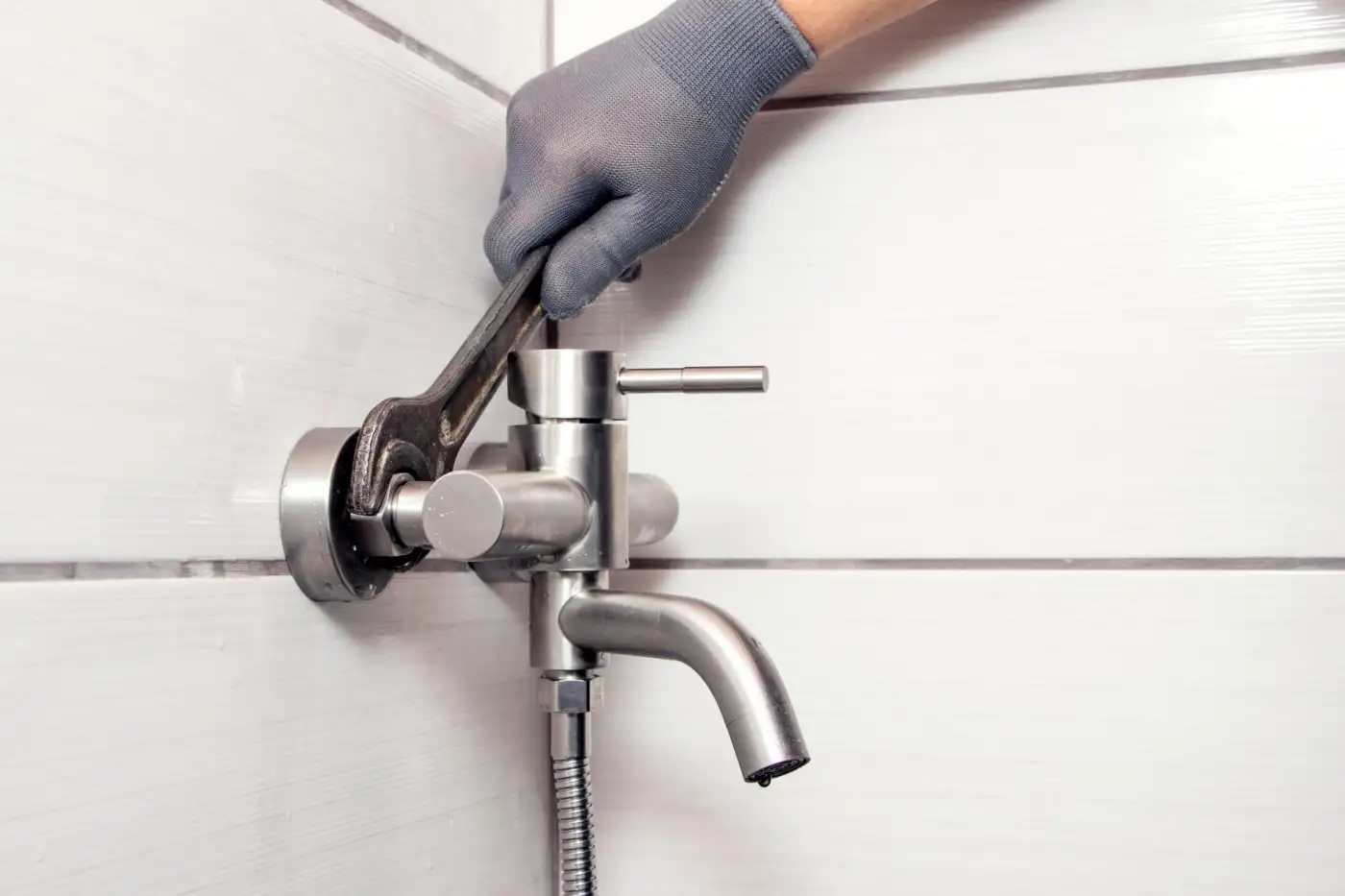
What should you ask a bathroom or kitchen fitter before hiring?
A bathroom or kitchen pulls in several trades at once, so the questions you ask before signing matter more than they do for a one-off repair. The aim is simple: understand what you're paying for, who is doing each part, and what happens if something slips. A good fitter will welcome these questions; one who bristles at them is telling you something.
Work through this list with every firm you're considering:
- Can I have a written, itemised quote? Not a number scribbled on the back of a card — a breakdown of labour, materials and the work covered, so you can compare like with like across firms.
- Can I see references and recent finished work? Ask for two or three jobs you can actually look at or call about. On the Island, the last customer is often a name you half-recognise anyway.
- Who is doing the regulated work, and are they registered? The electrics and any gas or oil work must be done by the right registered trade (more on that below). Ask for it by name.
- What's the timeline, and what's the scope? When does it start, how long will it run, and what's included — and excluded. Get it in writing.
- How are payments staged? A sensible schedule ties payments to progress. Be wary of anyone wanting a large lump sum before work begins.
Two answers tell you most of what you need to know: whether the quote is in writing, and whether the regulated trades are properly registered. If either is vague, keep looking.
How do you spot a good fitter from a bad one?
Most problems on a renovation aren't dramatic — they're the slow kind: a job that drags weeks past the date you were given, a "small extra" that wasn't in any quote, a deposit handed to someone who then goes quiet. The warning signs are usually visible before you commit, and on a small island the cost of a bad choice is higher because your options for putting it right are fewer.
These are the red flags worth walking away from:
- Cash-only, or a big deposit demanded upfront. A reasonable firm asks for staged payments tied to progress, not a large sum before the first tile is lifted.
- No written quote. A verbal "it'll be around two grand" is not a quote. Without it in writing, you've no protection when the figure grows.
- No references, or no finished work to look at. Everyone has to start somewhere, but a fitter who can't point to a single completed job is a gamble.
- A vague or missing timeline. "We'll fit you in soon" is not a plan. You want a start date and a realistic run-time.
- No registered cover for the regulated trades. If nobody can name the Gas Safe, OFTEC or qualified electrician doing those parts, the safety and the paperwork are both at risk.
The flip side is just as clear. A good fitter quotes in writing, is happy to be checked up on, names the registered trades doing the regulated work, and gives you a realistic timeline — not the most flattering one. Honesty about what a job will actually cost and how long it'll take is the strongest signal you'll get.

Why does trade registration matter so much?
A bathroom or kitchen isn't only tiling and units. Parts of it are regulated work that must be done by someone qualified and registered — and getting this wrong is where a renovation turns from a nuisance into a genuine safety or insurance problem. This is the one area where you should never take "it'll be fine" for an answer.
Match the registration to the work:
- Electrics. New circuits, moving sockets, fitting an electric shower or extractor — this is the work of a qualified electrician. In the UK and on the Isle of Man, competence is evidenced through schemes such as NICEIC registration, and a registered electrician can issue the certification that proves the work is sound.
- Gas. Anything touching a gas supply — a relocated boiler, a gas hob — must be done by a Gas Safe registered engineer. It is not negotiable, and it is not a job for a general builder.
- Oil. Where heating runs on oil, which is common in homes off the Island's gas network, the equivalent registration is OFTEC, the competent-person scheme for oil-firing appliances.
The honest truth is that a fitter who is excellent at tiling may not be registered for any of this. That's normal — it's why these jobs pull in more than one trade. The question is who is coordinating them, and who is accountable if a registered detail gets missed. Which brings us to the bigger decision.
Should you use one firm or several separate trades?
A typical bathroom or kitchen needs a plumber, an electrician, a tiler and often a joiner. You can hire each of them yourself as separate sole traders, and plenty of people do. The trouble is that you then become the project manager — sequencing the trades, chasing the ones who don't turn up, and standing in the middle when the electrician blames the plumber for the delay. On an island with a short list of firms and real supplier lead-times, that juggling act is harder than it sounds.
The alternative is one accountable firm coordinating vetted trades under a single standard. The practical difference is who answers the "who's turning up today, and who's responsible if it goes wrong?" question. With four separate sole traders, the answer is you. With one brand standing behind the whole job, the answer is them — a single point of contact, a single quote, and a single party accountable for the finished result.
This is the model Fenshaw is built on: vetted trades, one accountable brand, clear quotes and realistic timelines. We check qualifications, experience and recent work before a trade works under our name, and we keep the regulated parts with the right registered people. It isn't about being the cheapest line on a quote — it's about removing the coordination risk that turns a straightforward renovation into a months-long headache. You can see the full range on our services page, and read more about how we vet our trades.
There's a local angle here too: in a small market, a firm that lets you down can't hide from it, because the next customer is a neighbour or a colleague. Accountability isn't just a nice idea on an island — it's enforced by how small the place is.
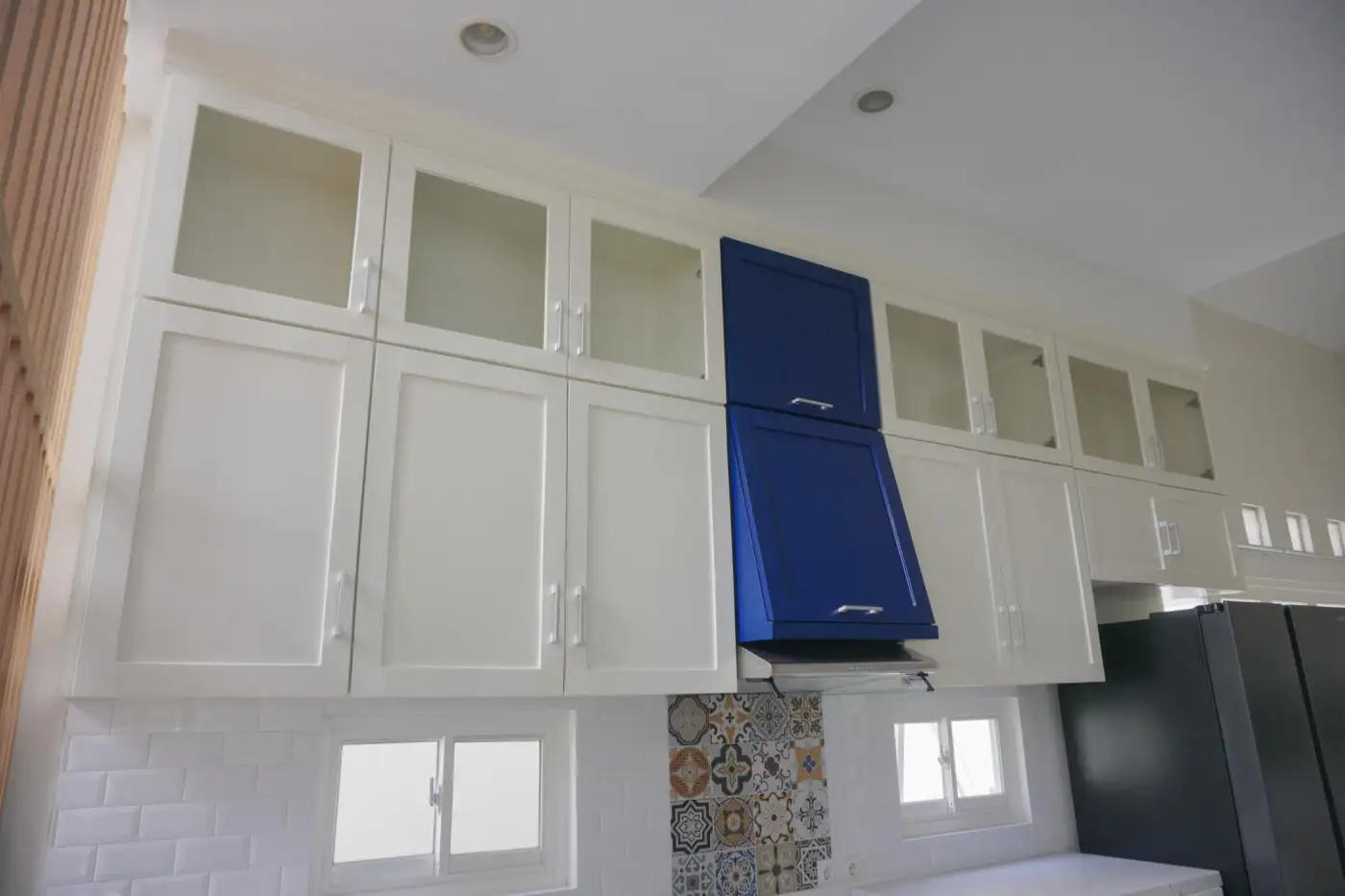
Can you do a bathroom for £5,000 — and what should that buy?
It's the most common question we hear, and the honest answer is: sometimes, depending on the bathroom. A straightforward refit — a like-for-like swap of bath, basin and toilet, modest tiling and standard fittings, no walls moved and no plumbing relocated — can sit around or under £5,000. Move the layout, add an electric shower, re-tile floor to ceiling or specify higher-end fittings, and the figure climbs. Anyone quoting a flat "£5k" without seeing your room is guessing.
What £5,000 should buy is the labour of the right trades, the materials agreed in your itemised quote, and the regulated work done and certified properly — not a corner cut on the electrics to hit a headline price. For a fuller breakdown of what drives the number up or down, see our guide to new bathroom costs on the Isle of Man. If the work also means rewiring, our house rewire cost guide covers that side.
Choosing a fitter, in the end, comes down to one test: not who gives you the lowest number, but who you'd be comfortable handing your home to for a fortnight — and who'll still answer the phone if something needs putting right. On a small island, that's not a soft consideration. It's the whole point.
Frequently asked questions
Which company is best for bathroom fitting on the Isle of Man? There's no single "best" firm — the right choice is the one that quotes in writing, can show you finished work, uses registered trades for the regulated parts, and gives a realistic timeline. On a small island, a firm that's accountable and turns up when it says it will is worth more than the lowest quote.
Can you do a bathroom for £5,000? Often, yes — for a straightforward like-for-like refit with standard fittings and no major change to the layout or plumbing. Moving the layout, adding an electric shower, full-height tiling or premium fittings pushes the cost higher. Get an itemised quote for your room rather than relying on a flat figure.
What should I ask a bathroom fitter? Ask for a written, itemised quote; references and recent finished work; who is doing the regulated electrics, gas or oil work and whether they're registered; the start date, timeline and scope; and how payments are staged. The answers tell you more than the price does.
How do I find a reliable tradesperson on the Isle of Man? Start with word-of-mouth — in a small market, a recommendation from a neighbour or colleague carries real weight. Then vet properly: written quotes, references you can check, the right registrations for regulated work, and staged payments rather than a large deposit upfront.