
A new kitchen on the Isle of Man typically costs £5,000–£8,000 for a small kitchen (8–10 m²), £8,000–£15,000 for a mid-size one (12–16 m²), and £15,000–£25,000 or more for a large kitchen (20 m²+), supply and fit together — with a full new kitchen of units, worktops, appliances and installation most often landing between £6,000 and £15,000+, and high-end schemes running past £20,000, according to UK cost guides such as MyJobQuote and Victorian Plumbing. Labour is the smaller share, roughly 20–30% of the total: MyJobQuote puts a kitchen fitter's day rate at £200–£300 and labour-only to fit a standard kitchen at £1,700–£3,000. These are indicative UK figures — there's no separate island tariff and VAT is charged at the UK rate — so Isle of Man prices broadly track them, give or take. For an exact number, get a quote for your room.
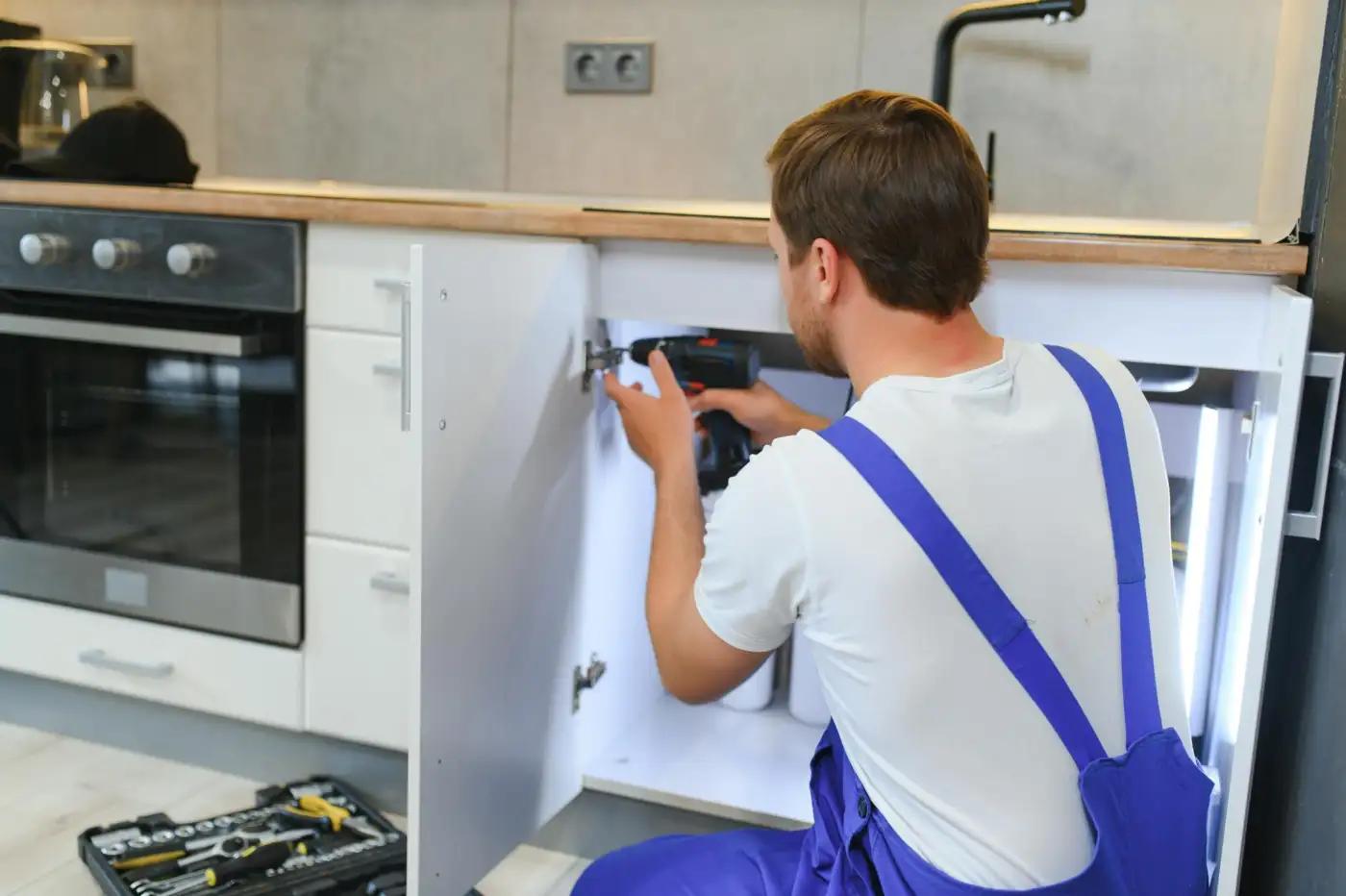
What makes up the cost of a new kitchen?
The single biggest thing that moves the price is the spec of what goes in — the units, the worktop and the appliances — followed by how much the plumbing and electrics have to move. A budget kitchen and a mid-range one aren't really different jobs so much as different shopping lists: Victorian Plumbing puts a budget fitted kitchen at roughly £6,000–£12,000 and a mid-range one at £12,000–£25,000. The ranges below are indicative UK figures from the guides cited above; local prices sit in a similar place.
| Kitchen size | What it covers | Indicative range |
|---|---|---|
| Small (8–10 m²) | Budget–mid units, laminate worktop, basic appliances | £5,000–£8,000 |
| Medium (12–16 m²) | Mid-range units, upgraded worktop, integrated appliances | £8,000–£15,000 |
| Large (20 m²+) | Larger layout, stone worktop, full appliance suite | £15,000–£25,000+ |
Within any of those, four things carry most of the cost. Units and carcasses set the base. Worktops swing it widely — laminate is inexpensive, solid timber costs more, quartz and granite more again. Appliances run from a basic built-in set of around £450 up to £5,200 or more for a top-end suite (MyJobQuote). And labour — the fitting itself — is the part most people underestimate, even though it's the smaller share: as a rule of thumb, Which? puts labour at around 20–30% of the total and notes that a kitchen renovation typically comes to about 5–10% of a home's value — a useful sense-check against any quote you're given.
If you'd like those ranges turned into a firm figure for your own room and layout, we can price the whole job properly.
How long does a new kitchen take to fit?
A typical kitchen fit takes 5–10 working days (MyJobQuote), assuming the design is settled and the units and appliances are on site when the fitters arrive. A straightforward like-for-like replacement — new units and worktops where the old ones stood, plumbing and electrics staying put — sits at the shorter end. Moving the sink, adding an island, relocating sockets or a hob, or any structural change such as taking out a wall pushes it longer, because the plumbing and electrical first-fix has to happen before the new units go back in.
Those are working days, and they assume nobody is waiting on materials — which, on the Island, is the part worth planning around rather than assuming.
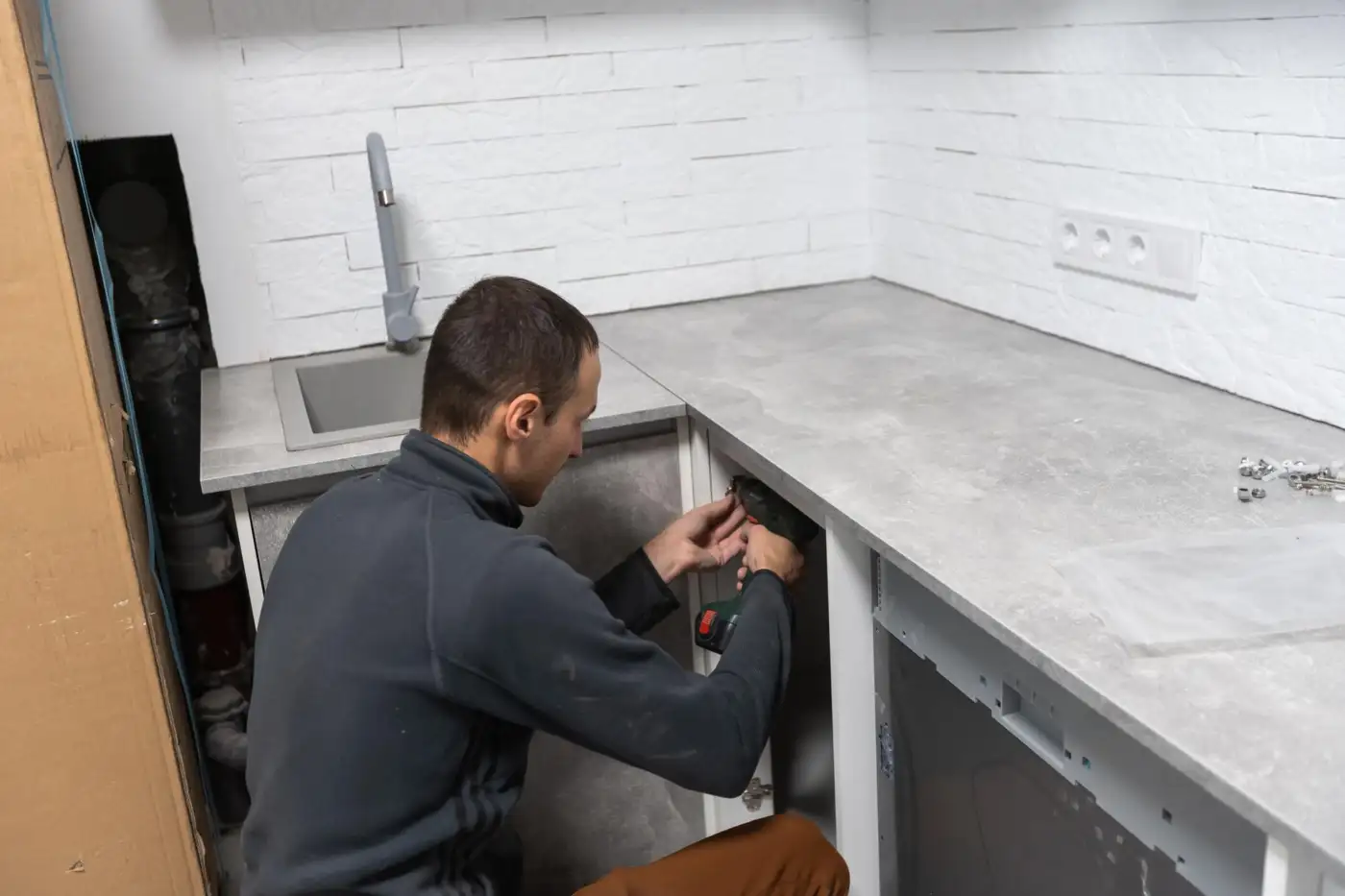
What's different about a kitchen project on the Isle of Man?
Two things set an Isle of Man kitchen apart, and neither is the headline price. The first is supply. There are fewer kitchen showrooms and merchants on the Island than in a comparable UK town, so the choice on the shelf is narrower — and units, worktops and appliances routinely come across the water. Freight travels by road to a UK port and then over the Irish Sea, so a specific worktop, a particular appliance, or a made-to-order run of units can add days to the schedule. The fix is deliberate: order early, confirm everything is in stock before the start date, and don't let the fitters begin until the units, worktops and appliances have actually landed. A kitchen left half-built around one missing appliance is the classic island hold-up.
The second is coordination, and it's where a kitchen differs from most jobs. A kitchen isn't one trade — it's several. A typical fit needs a joiner or kitchen fitter for the units and worktops, a plumber for the sink, taps and any dishwasher or washing machine, an electrician for the sockets, lighting, oven and hob circuits, and often a tiler for splashbacks and flooring — plus a Gas Safe engineer if you're keeping or fitting a gas hob. On a fragmented market that usually means lining up four or five separate contractors and holding the diary together yourself.
This is the honest case for running the trades under one brand. A kitchen needs a joiner, a plumber, an electrician and often a tiler; because we run those trades under one accountable team at Fenshaw, sequencing them so the electrician's first-fix is done before the units go on the wall is our job, not yours. It takes away the part of a kitchen project most people dread — being the unpaid project manager who chases whoever was supposed to turn up today.
If you'd rather talk a kitchen through than fill in a form — layout, lead-times, and which trades your job actually needs — a quick call is often the fastest way to get a straight answer.
How do you keep a kitchen project on budget?
The most reliable way to keep a kitchen on budget is to spend on the spec and leave the layout alone. Keeping the sink, hob and appliances roughly where they already are means the plumbing and electrics barely move, and because that first-fix work is a real slice of the labour, holding the layout steady is usually where the biggest savings sit — the same logic we set out for a new bathroom on the Isle of Man. If you want a change of look more than a change of layout, new units, worktops and doors on the existing footprint deliver most of the visible upgrade for a fraction of the disruption.
After that, it comes down to an itemised quote. Ask for units, worktops, appliances and labour broken out separately, so you can see where the money is going and where you could trade down without touching the parts that matter. It also lets you sense-check the labour share against the 20–30% rule of thumb above. The same care you'd take choosing any trade applies here — our guide to choosing a fitter on the Isle of Man covers the questions worth asking before anyone starts work.
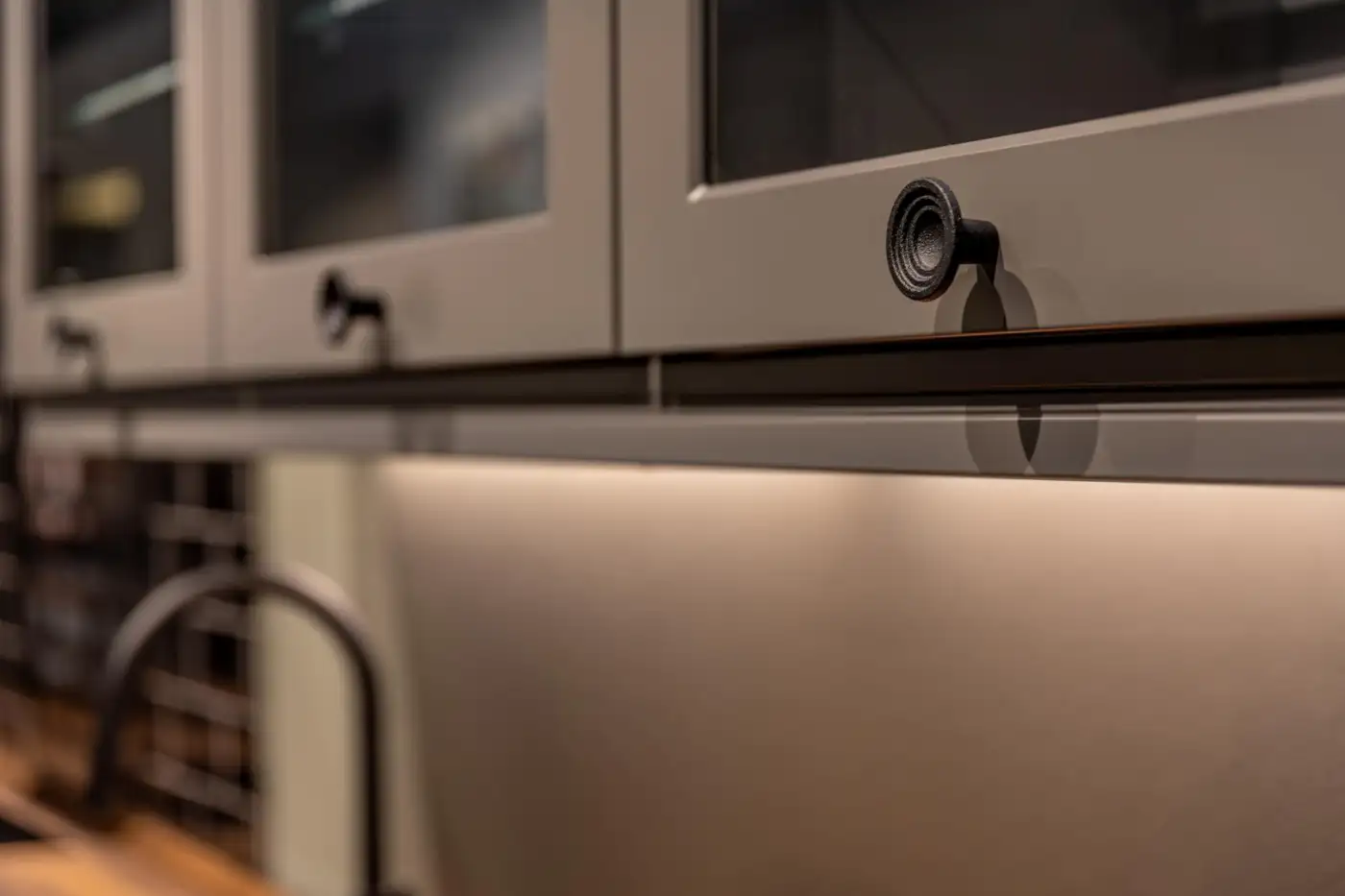
Where should the money go? A good worktop and solid, well-hung units are what you use every day and what lasts — usually a better place to spend than on rearranging a room that already works.
Bringing it together
A new kitchen on the Isle of Man comes down to three decisions: the spec you choose, whether you move the plumbing and electrics, and how early you order the parts. Get those right and a mid-size kitchen in the £8,000–£15,000 range is a predictable, well-run job rather than a month of surprises. The island twist isn't a hidden premium — it's the lead-times and the juggling of trades, and both are far easier to control when one team carries the whole schedule. You can see the range of work our team handles on our kitchen and property services page, and read how Fenshaw vets its trades.
Order the parts in good time, get the quote itemised, and let one firm sequence the trades — that's how a kitchen gets fitted once, properly, without you living among several contractors' diaries.
Frequently asked questions
How much does a new kitchen cost in the UK? A full new kitchen — units, worktops, appliances and fitting — commonly costs between £6,000 and £15,000, with high-end schemes running past £20,000 (MyJobQuote). By size, a small kitchen is roughly £5,000–£8,000, a mid-size one £8,000–£15,000, and a large one £15,000–£25,000 or more. Isle of Man prices broadly track these figures, as there's no separate island tariff.
How much is labour to fit a kitchen? Labour is roughly 20–30% of the total cost of a new kitchen (MyJobQuote and Which?). In money terms, a kitchen fitter's day rate is around £200–£300, and labour-only to fit a standard kitchen typically runs £1,700–£3,000. These are indicative UK figures; parts and appliances are extra.
How long does it take to fit a kitchen? A typical kitchen fit takes 5–10 working days (MyJobQuote), assuming the design is settled and the units and appliances are on site when work starts. Moving the plumbing or electrics, adding an island, or any structural work such as removing a wall pushes the timeline longer.
What is a realistic budget for a new kitchen? For most homes, a realistic budget is around £8,000–£15,000 for a mid-size kitchen with mid-range units, a good worktop and integrated appliances, fitted. Victorian Plumbing frames it as roughly £6,000–£12,000 for a budget kitchen and £12,000–£25,000 for a mid-range one.
How much does a new kitchen cost on the Isle of Man? Broadly the same as the UK ranges above — there's no separate island tariff and VAT is charged at the UK rate, so Isle of Man prices track the mainland, give or take. What changes here is supplier choice and ferry lead-times on units, worktops and appliances, so it pays to order early. For an exact figure, get an itemised quote for your room.