
How to Bleed a Radiator (and What to Do If It's Still Cold)
To bleed a radiator: turn the heating off and let the radiators cool, hold a cloth under the bleed valve at the top corner, and open it about half a turn anticlockwise with a bleed key until the hissing stops and water trickles out — then close it. That's the whole job, and it fixes the most common heating complaint: a radiator that's cold at the top but warm at the bottom. Below is the safe method, the right order to do several, the step most guides skip, and what to do when a radiator stays stubbornly cold.
Signs a radiator needs bleeding
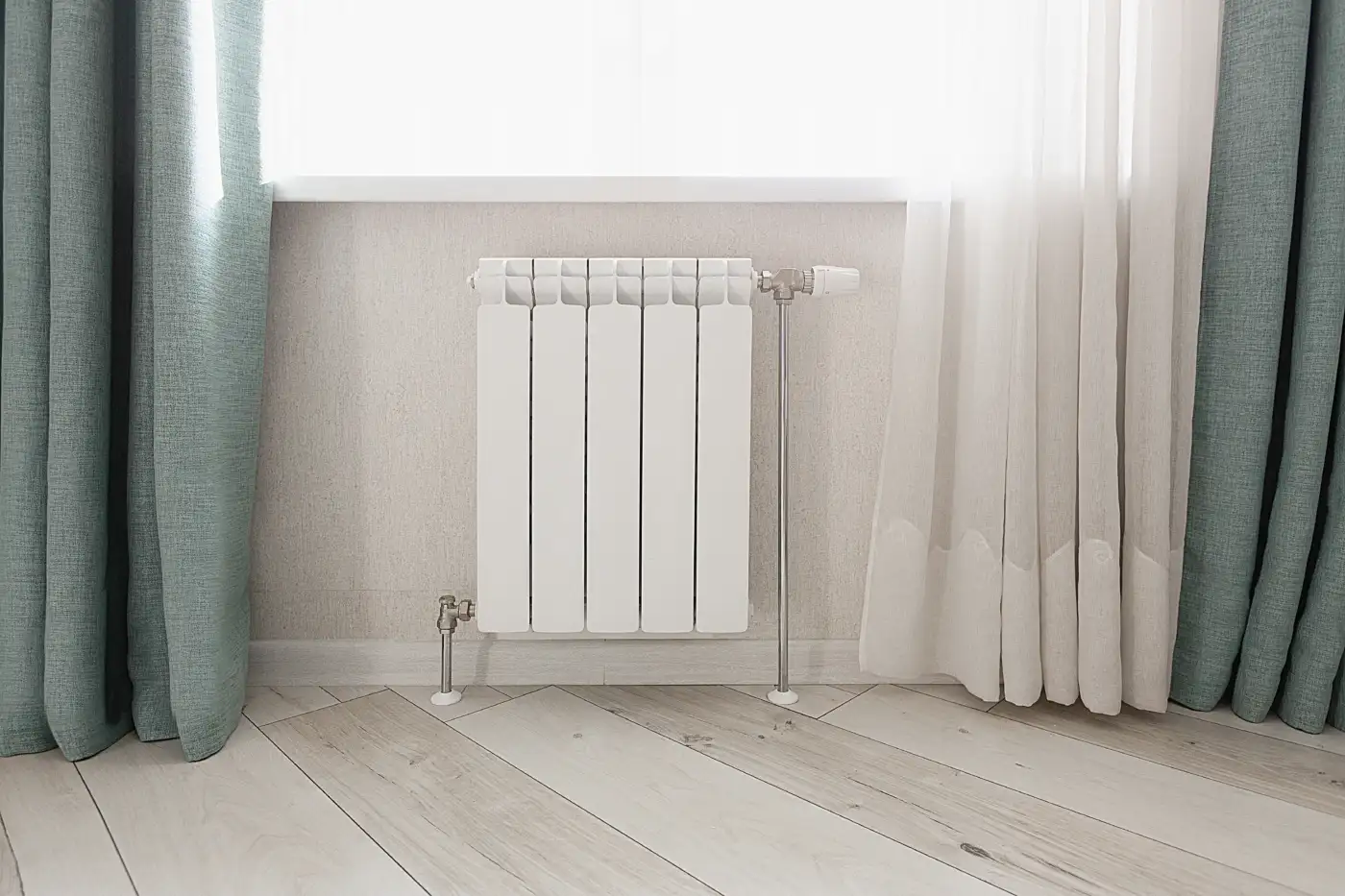
The classic sign is a radiator that is cool at the top but warm at the bottom, often with gurgling sounds — trapped air has risen to the top and is blocking hot water from filling the upper section (Which?). It's worth a check at the start of each heating season.
How to bleed a radiator, step by step
- Turn the heating off and let the radiators cool — about 20–30 minutes. This is safety-critical: the water inside can be hot enough to scald (British Gas).
- Have a bleed key and a cloth ready (some modern radiators take a flat screwdriver), with a small container to catch drips.
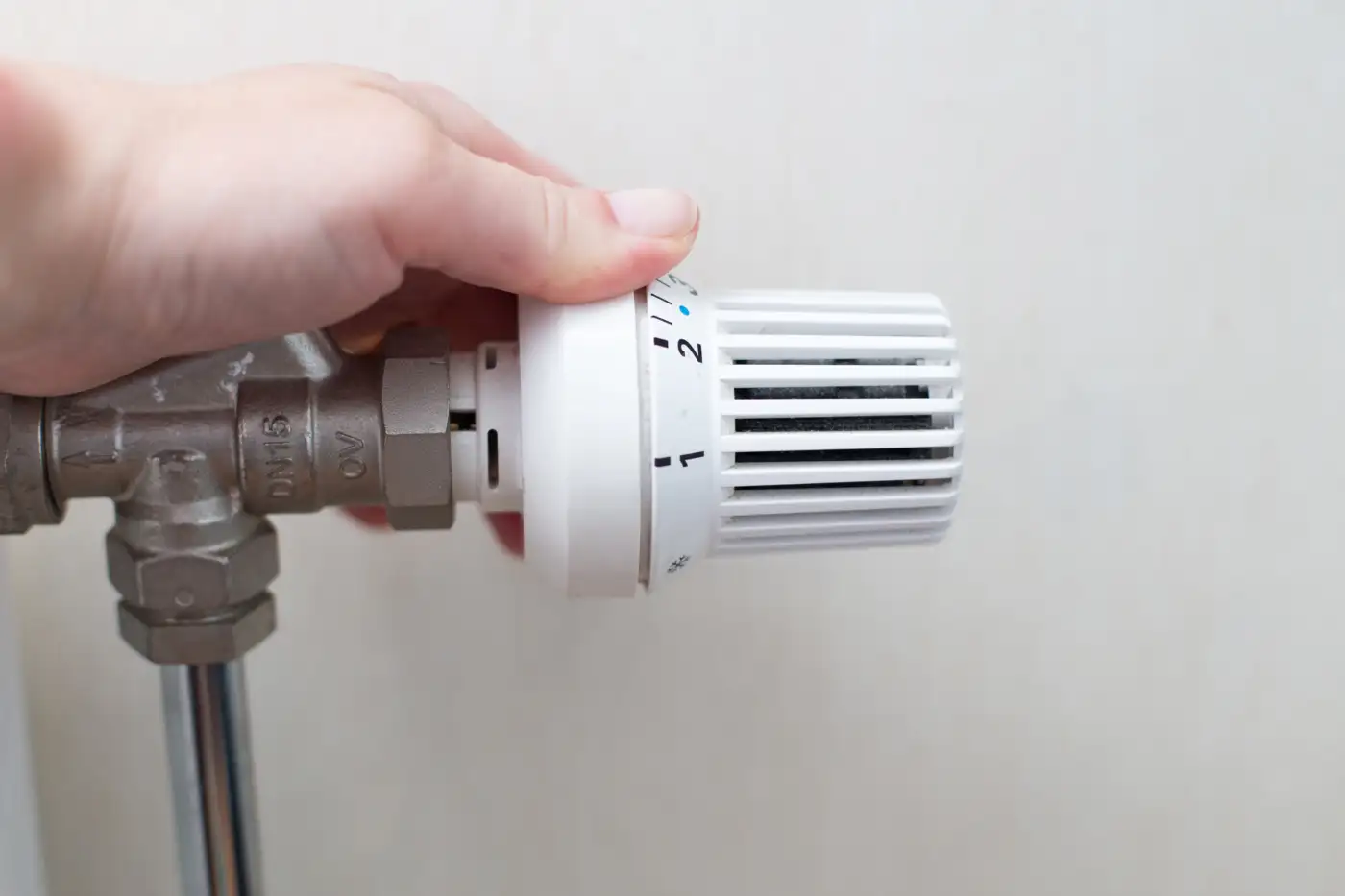
- Find the bleed valve at a top corner of the radiator, fit the key, and open it slowly — about half a turn anticlockwise. You'll hear air hissing out.
- Wait for the hiss to stop and water to trickle, then close the valve. Don't open it too far or let much water escape — that drops the system pressure (Which?).
The step most guides skip: re-check the pressure
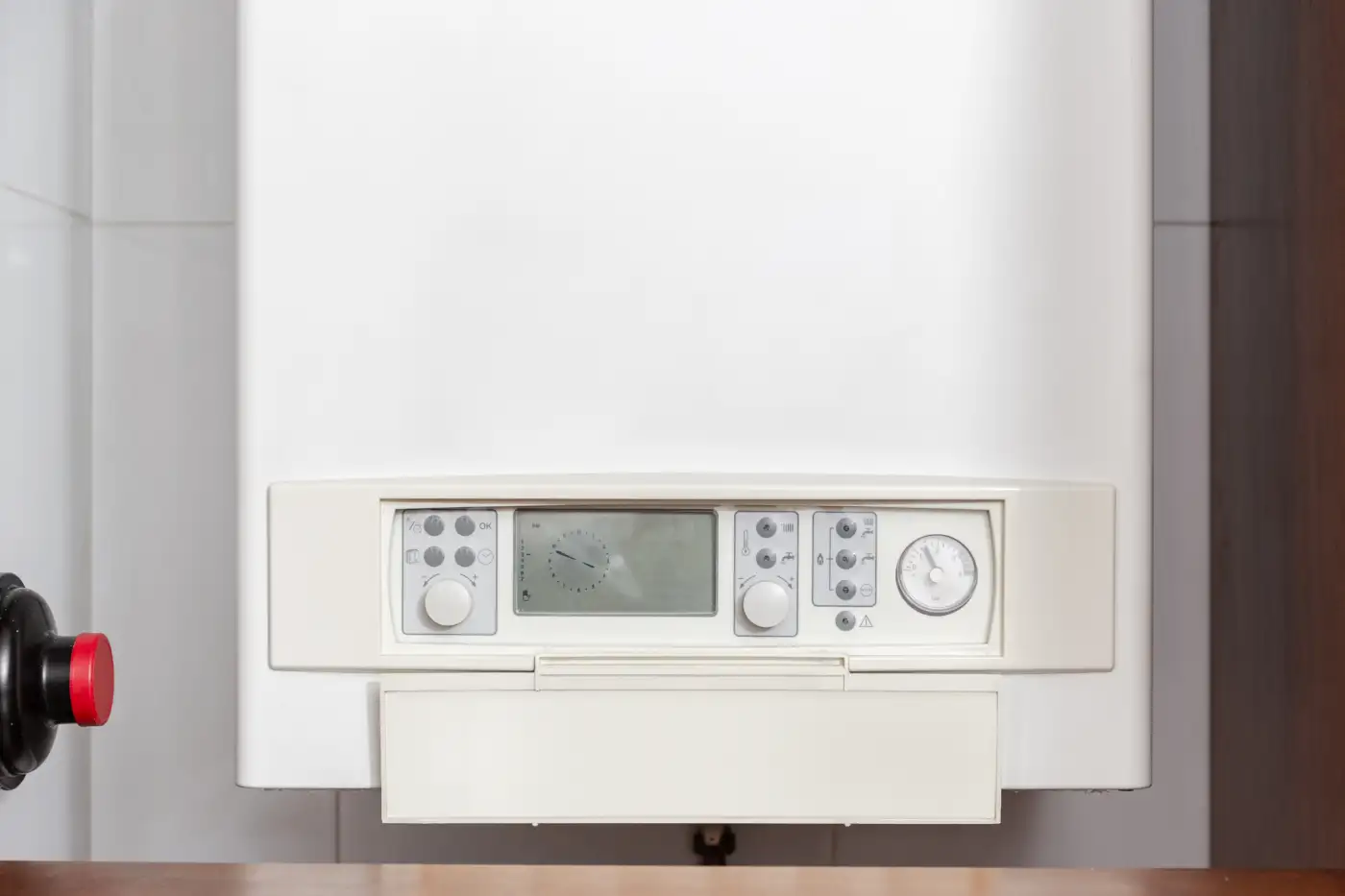
Bleeding several radiators lets water out, so the system pressure drops. If you have a combi or sealed system (a boiler with a pressure gauge), check it afterwards — it should read about 1.0–1.5 bar when cold — and top it up via the filling loop if it's low (Worcester Bosch). Then turn the heating back on and confirm the cold spots have gone.
One local note: many older Isle of Man homes have an open-vented system with a header tank in the loft rather than a pressurised combi. Those have no pressure gauge to top up — they refill themselves — so if you can't find a gauge, you probably don't need to.
What order to bleed radiators in
If you're doing the whole house, start on the lowest floor with the radiator furthest from the boiler, work your way back towards the boiler, then go upstairs and repeat from furthest to nearest (Ideal Home). Doing it in the wrong order can just shuffle air around the system instead of removing it.
"I bled it and it's still cold" — what's going on
Bleeding only fixes trapped air. If a radiator stays cold, the location of the cold tells you the cause (Heatable):
- Cold at the bottom, warm at the top — that's sludge (rust and debris) settling in the base and blocking flow. Bleeding won't touch it; it usually needs a professional power flush.
- Cold at the top again, soon after bleeding — air is returning. If the pressure also keeps dropping, you may have a small leak letting air in. Bleed again; if it recurs, call an engineer.
- The whole radiator is cold — suspect a stuck thermostatic valve (TRV), a system that needs balancing (adjusting the lockshield valve so heat reaches the far radiators), an airlock, or a circulation/pump fault.
A useful rule of thumb: one cold radiator is usually a local fix; several cold radiators, or pressure that won't hold, points to a system-wide problem — low pressure, a leak, or a pump/boiler fault.
When to stop and call a professional
Bleeding is safe DIY. Call a registered heating engineer when:
- you're re-pressurising the boiler repeatedly (more than once or twice a year) — that suggests a leak (Worcester Bosch);
- a radiator is cold at the bottom — sludge/power flush is a professional job;
- a TRV, pump or the boiler seems at fault; or
- you ever smell gas — stop, don't touch electrics or naked flames, and call the Isle of Man's gas emergency line straight away (the UK national gas number does not cover the Island).
For persistent cold radiators, a power flush, or an oil-boiler system, a local Isle of Man heating engineer who knows the Island's older housing stock will sort it faster than repeated DIY. You can read about Fenshaw and how we vet our trades.
Bleed it, check the pressure, and you've fixed most cold-radiator problems in ten minutes. If the cold is at the bottom or spread across the house, that's the system talking — and the point to bring in a pro.
Frequently asked questions
How do I bleed a radiator? Turn the heating off and let radiators cool for 20–30 minutes. Hold a cloth under the top-corner bleed valve, open it about half a turn anticlockwise with a bleed key until the hissing stops and water trickles, then close it.
Should the heating be on or off when bleeding a radiator? Off. The radiators should be cool before you start, because the water inside can be hot enough to scald you.
Why is my radiator still cold after bleeding? Cold at the bottom usually means sludge needing a power flush; cold at the top again means lingering air or a small leak; a whole cold radiator points to a stuck valve, poor balancing, or a pump fault.
Do I need to re-pressurise my boiler after bleeding radiators? Often, yes, if you have a combi or sealed system. Bleeding lowers the pressure, so check the gauge — it should read about 1.0–1.5 bar when cold — and top up via the filling loop if it's low. Open-vented systems with a loft tank refill themselves.
What order should I bleed radiators in? Start on the lowest floor with the radiator furthest from the boiler, work back towards the boiler, then move upstairs and repeat from furthest to nearest. The wrong order just moves air around.