
A full house rewire on the Isle of Man typically works out at roughly £60–£95 per m² of floor area, which puts a two-bed home at around £4,000–£5,200 and a three-bed semi at around £5,000–£8,000, depending on access and the condition of the existing wiring (MyJobQuote). There is no separate island tariff, so local prices broadly track these UK figures — get a quote for an exact number. The more useful point is this: most homes do not need a full rewire. Worn wiring is real, but the honest answer is often a consumer unit upgrade or a partial rewire, confirmed by an EICR (an electrical installation condition report) rather than a guessed-at £6,000 job. This guide covers both the cost and how to tell which one you actually need.
What affects the cost of a rewire?
A rewire is priced mostly by the size of the property and how hard the wiring is to reach, not by a flat per-room rate. The headline figure that matters is £60–£95 per m² for a full rewire, with smaller homes naturally costing less in total and larger or harder ones costing more (MyJobQuote). Access is the big variable. Lifting floorboards, chasing cables into solid walls and reinstating plaster all add labour, which is why two identical-looking houses can quote very differently.
| Property size | Indicative full-rewire range |
|---|---|
| Two-bed home | £4,000–£5,200 |
| Three-bed semi | £5,000–£8,000 |
| Solid walls / poor access | Higher — expect a bespoke quote |

These are indicative UK ranges, not a fixed quote. On the Island the picture is the same give or take — there is no published island-only rate — but two local factors are worth budgeting for. Older island housing stock means more homes genuinely need the work, and fewer local electricians plus materials lead-times mean the job is best booked ahead rather than arranged in a hurry. A partial rewire — say a consumer unit plus a single problem circuit — costs far less than a whole-house job, which is exactly why the next question matters before you commit to any figure.
Do you actually need a full rewire — or just part of one?
This is where we save people money. A full rewire is a major job, and plenty of homes that are quoted for one only need a fraction of the work. The way to find out is not a guess from across the room — it is an EICR, the formal report an electrician produces after testing your installation. It tells you, circuit by circuit, what is safe, what needs attention and whether a rewire is genuinely warranted or a consumer unit upgrade will do.
There are honest warning signs that point towards a rewire, though. Watch for old rubber, fabric or lead-sheathed cabling (a sign the installation may be decades old), a fuse box with rewireable fuses rather than modern RCBOs, fuses that trip frequently, and scorch marks around sockets or switches. Any of these is a reason to get the installation tested — not a reason to assume the worst.
What we see often enough to say plainly: a tired-looking fuse box is frequently the only thing that needs replacing. Swapping an old board for a modern consumer unit restores proper protection at a fraction of a full-rewire cost, and a sound EICR can confirm the rest of the wiring has years left in it. Spending £6,000 to fix a £600 problem helps nobody, which is why we test first and quote second.
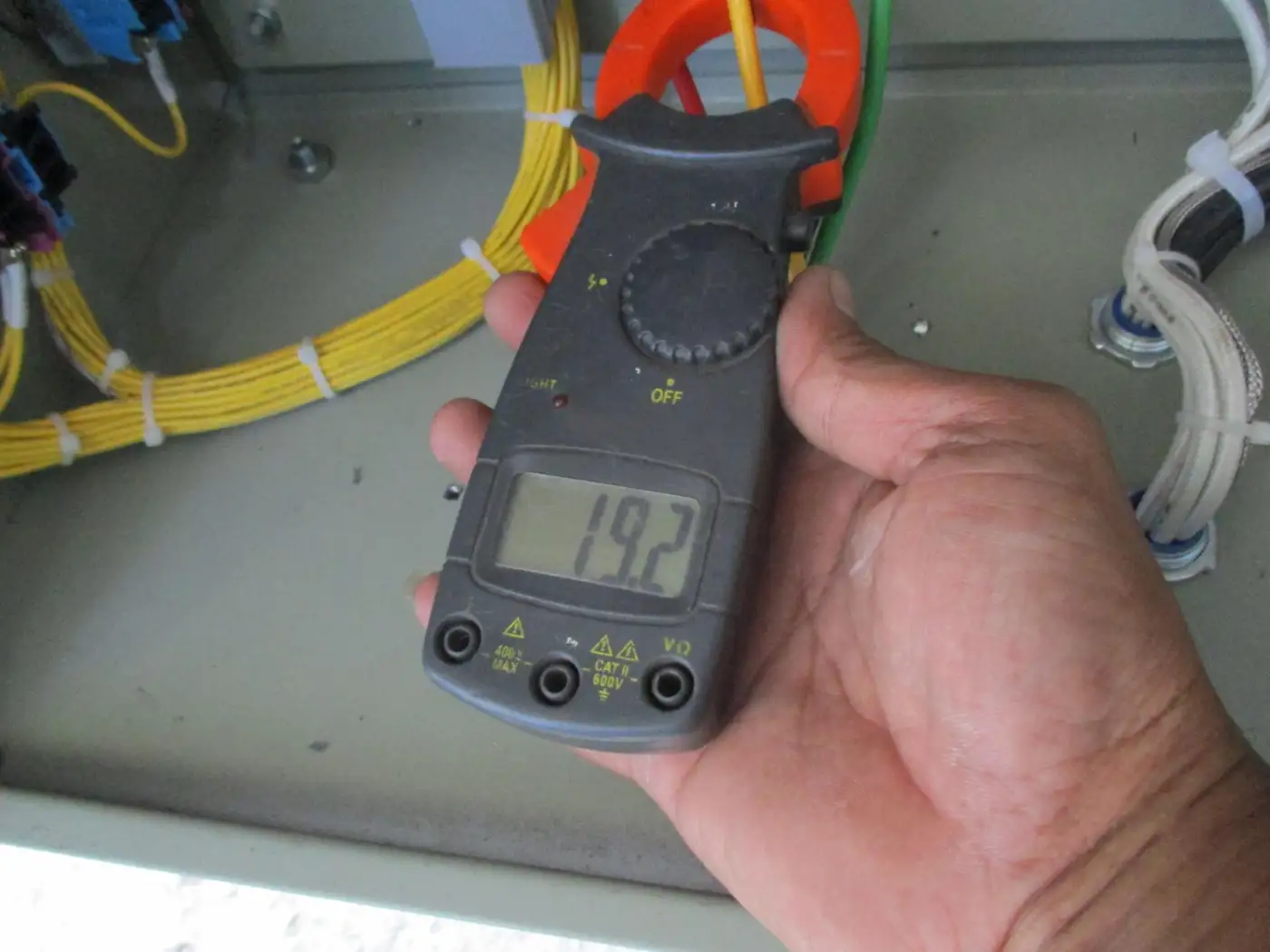
If your worry is one flickering circuit or an ageing board rather than the whole house, an inspection is the place to start — not a rewire quote. You can read our guide to the EICR for Isle of Man landlords and homeowners to see exactly what the report covers.
How long does a rewire take and do you have to move out?
A full rewire is disruptive, and being realistic about that helps you plan. For a typical three-bed home, the wiring work itself usually runs to several days to around a fortnight, with extra time afterwards for any plastering and redecoration where cables were chased into walls. The bigger the property and the harder the access, the longer it takes — solid walls and limited floor access stretch the timeline as well as the cost.
You do not always have to move out, but many people choose to for at least part of the job, because power and water can be off for stretches and the dust from chasing walls gets everywhere. A practical compromise is to do it room by room or zone by zone where the layout allows, keeping part of the home liveable. The Island adds one planning point worth flagging: with fewer local electricians and materials that can take time to come across the water, a rewire is best booked well ahead so parts and labour line up rather than holding the job up midway.
A partial job is far less invasive. A consumer unit upgrade is often a single visit with power off for only part of a day, which is one more reason it pays to know — via an EICR — whether you need the full works or just the board.
Who should do electrical work on the Isle of Man?
Rewiring and consumer unit work should only be done by a competent, qualified electrician working to the UK wiring standard BS 7671 (the IET Wiring Regulations), which is the same technical standard used across the British Isles. You can verify an electrician's competence through a recognised scheme such as NICEIC or check consumer guidance from Electrical Safety First. Asking for proof of registration is reasonable and any reputable firm will expect the question.
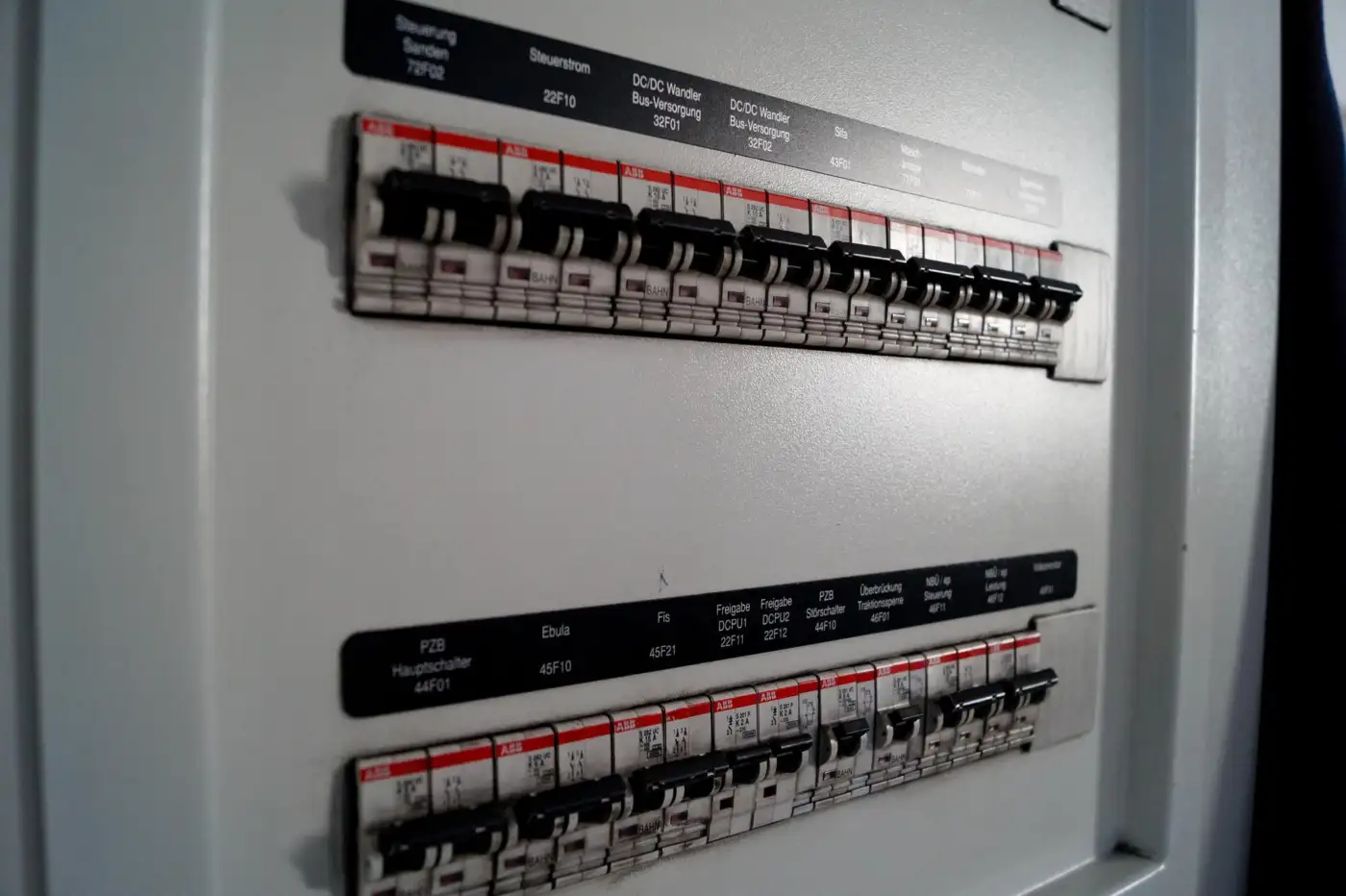
One local point that catches people out: England's "Part P" building-control regime is a UK rule and does not apply here. On the Isle of Man, electrical work falls under Isle of Man building control, the Island's own regime — so don't rely on Part P guidance written for England as if it were island law. The technical standard (BS 7671) and the need for a qualified electrician hold either way; the building-control framework around it is the Island's own.
This is also where Fenshaw's own position matters: our electrical work is carried out by qualified electricians to BS 7671, and we test before we quote rather than selling the biggest job we can. If you are a landlord, your electrical safety duties sit alongside your other obligations — we cover those in our guide to landlord safety responsibilities on the Isle of Man.
The short version: get the installation tested, fix what genuinely needs fixing, and use a qualified electrician for whatever the EICR calls for. A rewire is sometimes the right answer — but on an island where the housing stock is older and the right tradesperson is worth booking early, the worst outcome is paying for a full rewire you never needed.
Frequently asked questions
Is it worth rewiring an old house? Often yes, if the wiring is genuinely old — rubber, fabric or lead-sheathed cabling, or a fuse box with rewireable fuses — because that work restores safety and adds capacity for modern demand. But "old house" does not automatically mean "needs a rewire." An EICR confirms whether a full rewire is warranted or whether a consumer unit upgrade and a few repairs are enough.
How much does it cost to rewire a house? A full rewire works out at roughly £60–£95 per m², which puts a two-bed home at around £4,000–£5,200 and a three-bed semi at around £5,000–£8,000 depending on access and condition. Isle of Man prices broadly track these UK figures; get a quote for an exact number.
Is it a big job to rewire a house? A full rewire is a major job — typically several days to around a fortnight of wiring work for a three-bed home, plus plastering and redecoration afterwards. It is disruptive, and many people move out for at least part of it. A partial rewire or consumer unit upgrade is far smaller, often a single visit.
How do I know if my house needs rewiring? Warning signs include old rubber, fabric or lead-sheathed cabling, a fuse box with rewireable fuses rather than modern RCBOs, frequent fuse trips, and scorch marks around sockets. The reliable way to confirm it is an EICR — a tested report on the installation — rather than a visual guess.
Do I need an EICR before a rewire? It is the sensible first step. An EICR tells you, circuit by circuit, whether a full rewire is actually needed or whether a consumer unit upgrade and targeted repairs will do — so you spend on the work the installation genuinely requires rather than assuming the largest job.