
On the Isle of Man, replacing a consumer unit — the board of breakers that older households still call the fuse box — is notifiable work. It sits on the Island's own list of electrical jobs that must be declared, under Schedule 1 Part P of the Building Regulations 2014 (PABC guidance on electrical installations in homes, checked 30 August 2026). Two routes cover most jobs. A competent person can carry out the work and contact the Building Control Authority, or a business registered with NICEIC or NAPIT can self-certify and issue a certificate of compliance within 30 days. If neither applies, you as the homeowner have to seek approval before the work starts. When it is finished, the paperwork you want is an Electrical Installation Certificate, an EIC — not an EICR, which is an inspection of an existing installation. And a new board on its own is not a rewire. The cables behind it decide that.
Who is allowed to fit a consumer unit on the Isle of Man?
Someone competent, and the Island's guidance is specific about what that buys you. Under the PABC route, a competent person does the work and contacts the Building Control Authority; alternatively a business registered with NICEIC or NAPIT self-certifies its own work and issues a certificate of compliance within 30 days (PABC, checked 30 August 2026). Those are the two electrical registration bodies named for this Island, and they are the two words worth listening for when you ring round.
Ask to see the registration card and check the number against the scheme yourself. It takes two minutes and it is the single most useful thing a homeowner can do before anyone opens a board. Ask, too, which standard the finished installation will be tested against: the answer should be BS 7671, the IET Wiring Regulations, which is the technical standard for fixed wiring rather than a law in itself.
The Island has a small pool of electricians, so the honest answer is often about the diary as much as the price. If someone can start tomorrow at a suspiciously good rate, ask the registration question first.
Not sure which trade you actually need on site? Start here.
Does a consumer unit replacement need building control approval here?
It needs to be notified, and the route decides who does the notifying. The Island's own list is unambiguous: "Notifiable includes a full rewire, changing a consumer unit, any new final circuit, solar PV, electric ceiling/floor heating, wiring for a new central heating system, work in a special location, and all outdoor power/lighting" (PABC, checked 30 August 2026). Note that this is the Manx list, not England's. The two overlap in places, which is exactly why guides written for the UK mislead people here.
This is worth getting right rather than hoping. In the PABC's own wording, "Non-compliance with the Building Regulations is a criminal offence" (checked 30 August 2026). Our fuller explainer on electrical work and building control on the Isle of Man walks through how the process fits around a job.
Three routes exist, and only one of them puts the paperwork burden on you:
| Route | Who notifies | What you should end up holding |
|---|---|---|
| Competent person carries out the work | The person doing the work contacts the Building Control Authority | Confirmation the Building Control Authority was contacted, plus your certificate for the new work |
| NICEIC or NAPIT registered business | The business self-certifies | A certificate of compliance issued within 30 days |
| Neither of the above applies | You do | Approval obtained before the work starts |
The practical lesson is to settle the route in the quote conversation, not after the board is on the wall. A tradesperson who cannot tell you which of those three rows applies to your job has answered your real question anyway.
Do you need a full rewire, or just the board?
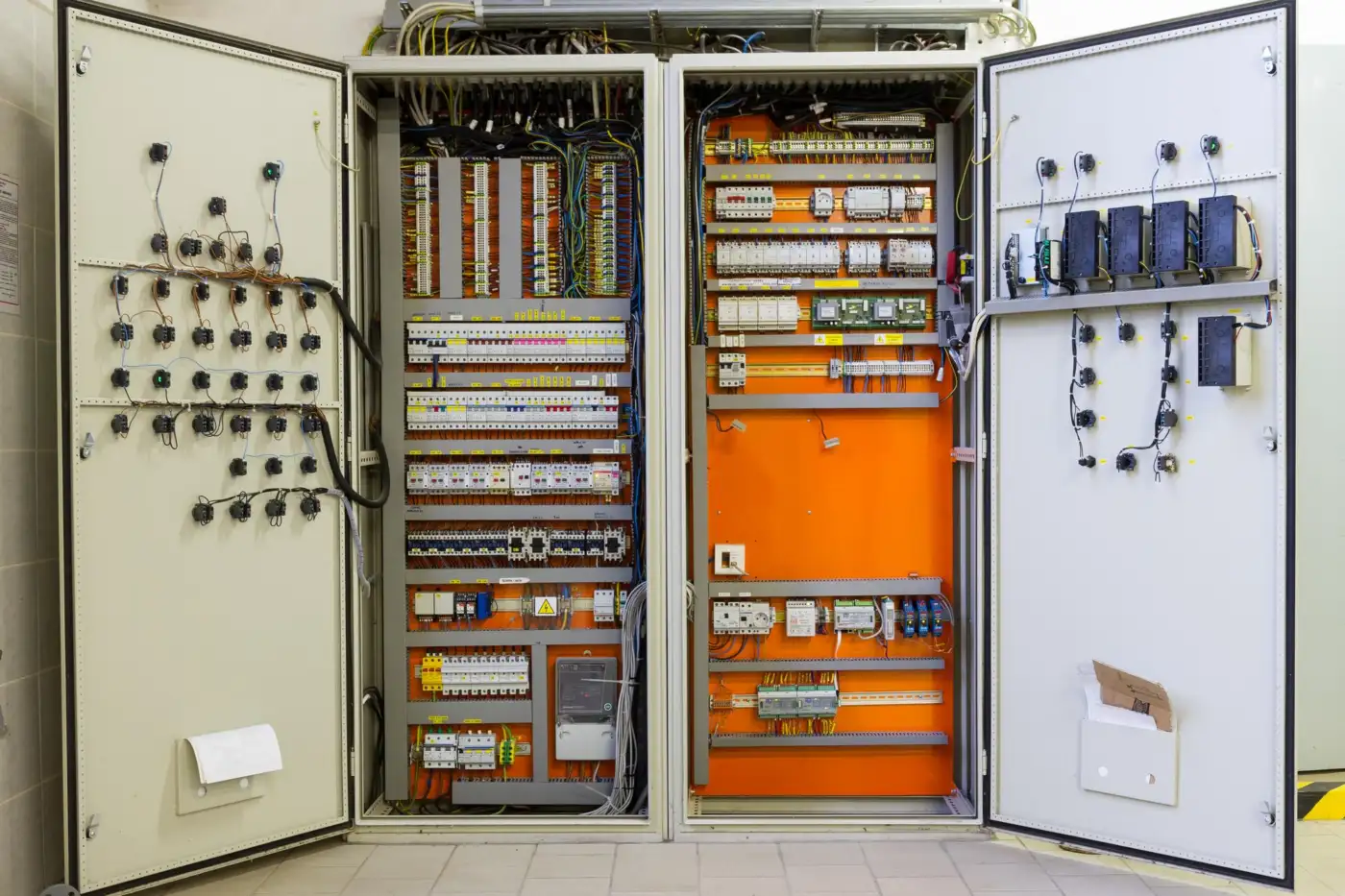
Usually just the board — and it is worth saying plainly, because a rewire is a far bigger spend and a far bigger disruption. A consumer unit change swaps the protective devices and the point where everything terminates. It does not renew the cable running through your walls, under floors and out to the garage.
So the test is what is behind the board, not the board itself. A decent electrician tests the existing circuits before quoting and tells you whether the wiring will support a new unit or whether the cabling is the actual problem. If the circuits test poorly, fitting a shiny new board is money spent on the wrong end of the installation. If they test well, you can stop there with a clear conscience.
Either way the compliance route is the same, since both a full rewire and changing a consumer unit appear on the Island's notifiable list (PABC, checked 30 August 2026). If the conversation is drifting towards the bigger job, read our breakdown of what a house rewire costs on the Isle of Man before you commit, and our guide to what electricians charge here for the wider context.
How long does the job take and will the power be off?
Expect the supply to be off for part of the day. A board change means disconnecting everything, fitting the new unit, then testing each circuit before it goes back into service, so there is no version of this where the lights stay on throughout. Most straightforward domestic jobs are a matter of hours rather than days, but nobody should quote you a precise window sight unseen.
Plan around it rather than being surprised by it. Charge laptops and phones the night before, and if anyone in the house depends on mains-powered equipment, say so when you book rather than on the morning. Freezers stay cold for a working day if the door stays shut.
The Island adds one variable that mainland guides never mention: parts. If a particular board or accessory is not held here, it comes on the ferry, and that sets the start date more often than the electrician's diary does. Ask at quote stage whether everything needed is already on the Island.
If you would rather have a date and a plan than a guess, ring us.
What paperwork should you get afterwards — and is it an EIC or an EICR?
An EIC. A consumer unit replacement is new work, so it produces an Electrical Installation Certificate, which records what was installed and the results of the tests carried out on it. An EICR is a different document: a periodic inspection report on an existing installation, the condition survey a landlord or buyer usually asks for. They are not interchangeable, and being handed the wrong one is a sign the job has not been documented properly.
If the work went through a registered business, you should also receive a certificate of compliance within 30 days (PABC, checked 30 August 2026). Keep both with the deeds. They are the documents a buyer's solicitor, an insurer or a letting agent will ask for years later, and reconstructing them after the fact is far harder than filing them now.

Frequently asked questions
Is a consumer unit the same thing as a fuse box?
In everyday use, yes. Older installations used rewirable fuses; modern boards use circuit breakers and residual current devices. People still say fuse box for both, and so do plenty of tradespeople. The Island's notifiable list uses the phrase "changing a consumer unit", so that is the term to use when you are asking about approval.
Does England's Part P list apply on the Isle of Man?
No. The Island has its own Building Regulations 2014 with its own Schedule 1 Part P and its own list of notifiable work, published by the PABC (checked 30 August 2026). Some items look similar to England's, but you should never assume a rule transfers. If a guide does not name a Manx source, treat it as written for somewhere else.
What happens if the work was never notified?
Non-compliance with the Building Regulations is a criminal offence in the PABC's own wording (checked 30 August 2026). In practice the everyday consequence tends to arrive at sale or letting, when nobody can produce a certificate for work that plainly happened. If you have inherited undocumented work, an inspection of the existing installation is the sensible first step.
Can I change the consumer unit myself?
Changing a consumer unit is on the notifiable list, and the three compliance routes above are the only ways that notification happens. If you are not a competent person and not a registered business, the responsibility falls to you to obtain approval before the work starts, which for most homeowners is more effort than employing someone who can certify it.
Should a landlord ask for anything extra?
Ask for the EIC for the new board and keep it alongside your inspection reports for the property, since they answer different questions. Tell your letting agent the board has been changed so the records match.
If you want the route and the paperwork settled in writing before anyone touches the board, ask us for a quote.
Ask the route question before the work is booked, and the rest of this job tends to look after itself.