
Fitting a wood-burning stove on the Isle of Man needs both planning and building control compliance, and there are two routes to it. The one the Planning and Building Control Directorate prefers is to employ a competent person who belongs to an approved installer's scheme (HETAS or OFTEC), who will usually notify the local Building Control Authority within 30 days of finishing and issue you a Completion Certificate at no charge. The alternative is to apply to that Authority yourself before anything is fitted, and pay a fee based on the estimated cost of works. The Department "has noted an increased number of wood burning stoves are being installed without the appropriate planning and building control approvals" (Isle of Man Planning and Building Control). An uncertified stove is a safety problem now and a paperwork problem later, when the house is sold.
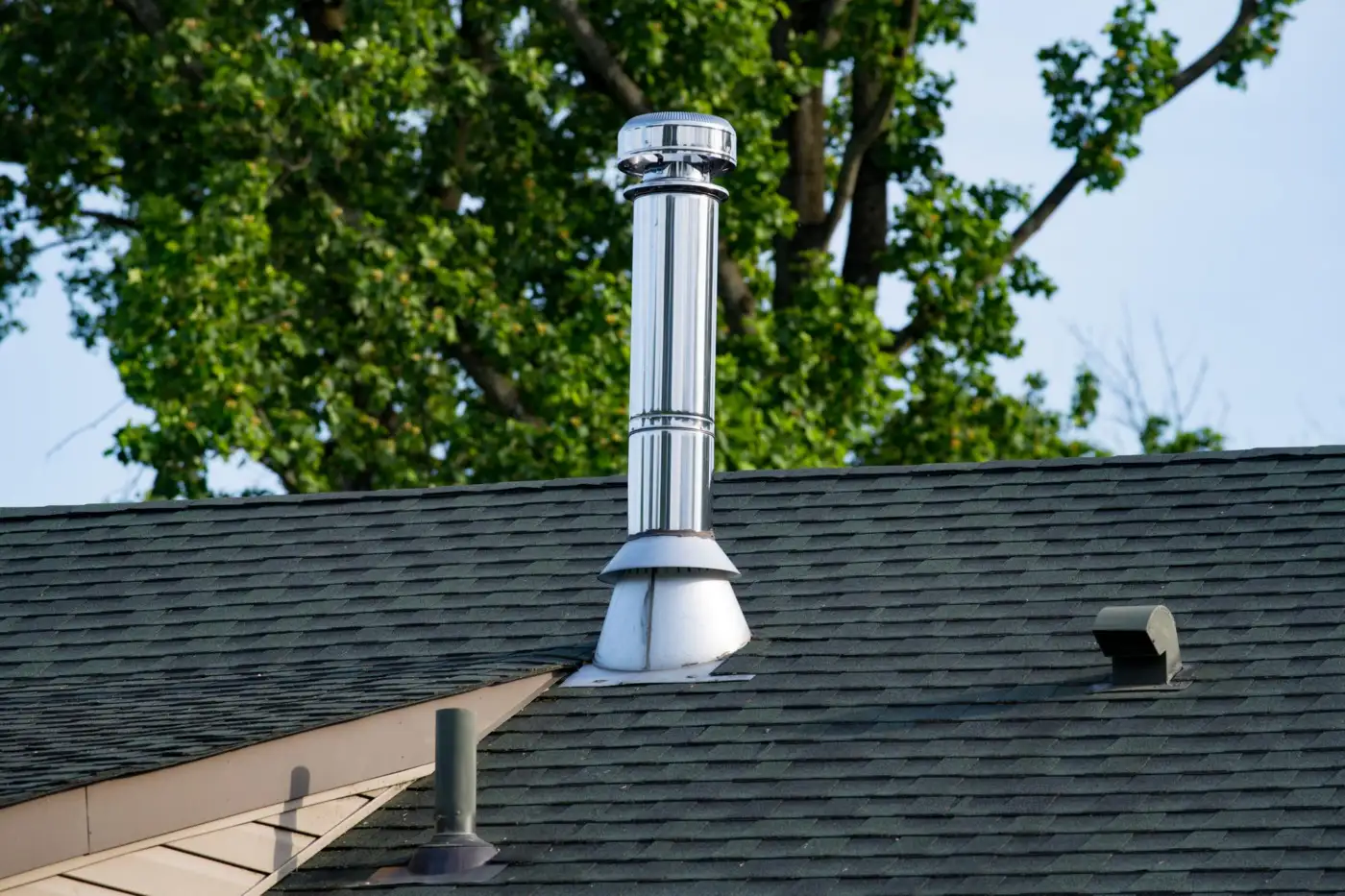
Do you need approval to fit a wood burner on the Isle of Man?
Yes, and the duty falls more widely than most people expect. The Directorate's wording is that "Homeowners, tenants and businesses must be mindful to comply with Planning and Building Regulations prior to fitting any Wood Burning Stoves or other Solid Fuel Burning Appliances" (Isle of Man Planning and Building Control). Tenants are named in that, and also need the landlord's permission before an appliance goes in.
This is not paperwork for its own sake. Failing to comply "may put you or your property at risk of fire and /or expose the occupants and neighbours to the risk of carbon monoxide poisoning which can be fatal". A stove is a controlled fire in a living room, vented through a flue — the pipe or chimney carrying combustion products out of the building. Approval checks that the appliance, hearth, clearances and flue suit the room.
Most stove guidance online is written for England, and the approvals route it describes is not the Island's.
Planning permission and building control are not the same thing
These two get run together constantly, and they are separate systems with separate applications. Planning governs whether something may be done to a property at all. Building control governs how the work is built — whether the finished job meets the Building Regulations. Clearing one does not clear the other, and the Department's notice names both.
Ask both questions before you commit to a supplier: is this acceptable in planning terms, and how will the work itself be certified as compliant?
If you have had electrical work done here the structure will look familiar: the same competent-person-or-apply-yourself choice runs through our guide to which electrical work needs Building Control approval on the Isle of Man.
The two routes to a compliant stove installation
The Directorate sets out two options and states a preference. They differ on the four things that decide whether you end up with a certificate:
| Route 1 — registered installer (preferred) | Route 2 — apply yourself | |
|---|---|---|
| Who notifies Building Control | the installer, as a HETAS or OFTEC member | you, before work starts |
| What you receive | a Completion Certificate | Building Regulations approval from the Authority |
| When | usually within 30 days of completion of works | before any work starts on site |
| Who pays | issued "without charge to their client and the Building Authority" | "a fee based on estimated cost of works is charged" |
Route one is "Option 1 (Preferred) Employ a Competent Person who is a member of an approved installer's scheme (HETAS or OFTEC…)". HETAS is the Heating Equipment Testing and Approval Scheme, "the independent UK body recognised by UK and Isle of Man Government" (Isle of Man Planning and Building Control).
Read that wording closely. The installer "will usually notify the Local Building Control Authority within 30 days of completion of works by issuing a Completion Certificate without charge", and "Customers are encouraged to seek confirmation of this provision". Usually is not always. Ask before the job is booked whether the installer will notify Building Control and issue your certificate, and keep the answer in writing.
If your installer is not scheme-registered, route two is yours: apply to the relevant Building Control Authority before work starts and pay the fee, which is based on the estimated cost of works. The notice gives the Planning and Building Control Directorate on 01624 685950 or 01624 685902, Douglas Borough Council on 01624 696375, and Onchan District Commissioners on 01624 624967.
If the stove is part of a bigger rethink of how the house is heated, have that conversation early.
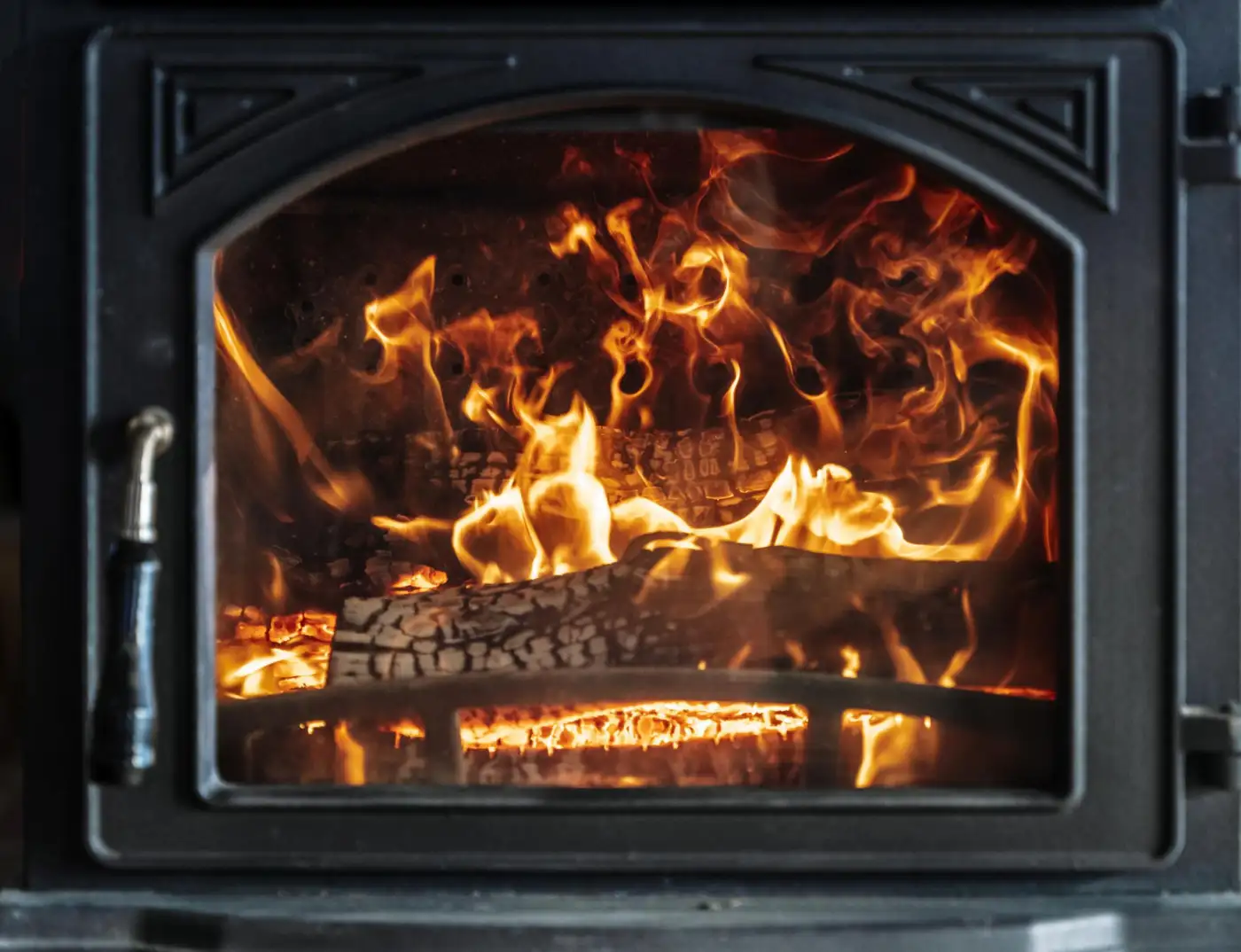
The paperwork you will be asked for on the day you sell
This is the consequence people do not see coming: "Problems can also arise when properties are sold as advocates for buyers will ask for copies of the appropriate approvals /certificates. If these are not satisfactorily in place the sale of a property may be jeopardised or delayed" (Isle of Man Planning and Building Control).
Keep the Completion Certificate with the deeds. If you have inherited a stove with no documentation, the first call is your Building Control Authority, not a stove shop.
Keeping a stove safe once it is in
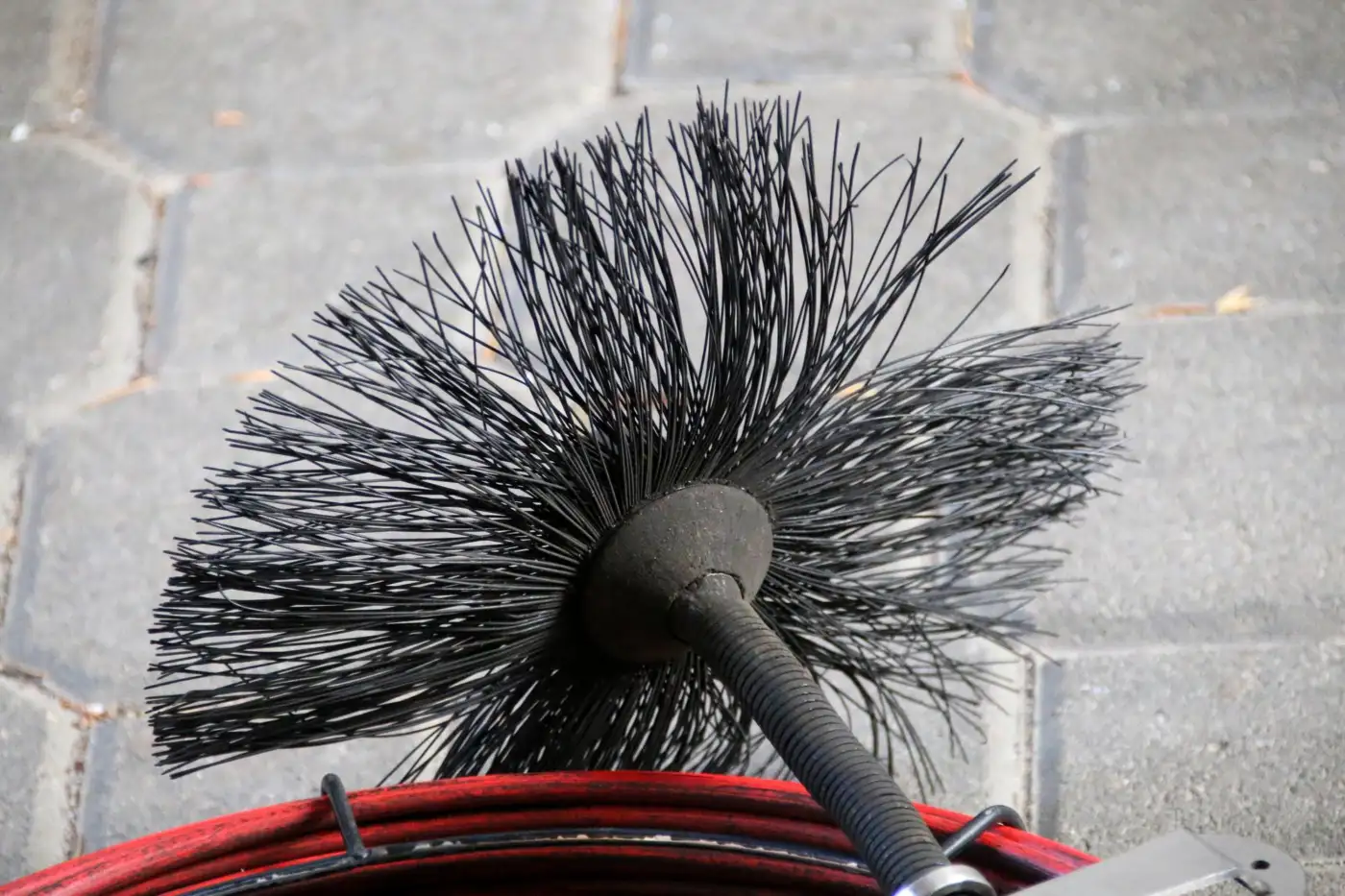
Approval is the start, not the end. Island guidance is that "Flues and chimneys should be swept at least annually and up to 4 times per year", and that you should "have your log burner or stoves checked on a regular basis by a competent HETAS registered business" (gov.im gas safety advice).
Fit a carbon monoxide detector in the room with the appliance; here it comes from oil and wood as readily as from gas. Our guide to carbon monoxide and smoke alarms on the Isle of Man covers siting.
If you smell fumes or the alarm sounds, ventilate, switch the appliance off if you can, leave the building, and contact a competent HETAS installer — do not use it again until it has been checked. If you see smoke entering the property, or believe the chimney is on fire, "you should call 999 straight away". HETAS is on 01684 278170, and the same drill for gas and oil is in what to do if you smell gas or fumes on the Isle of Man.
Your boiler and electrics stay on their own service cycle whatever the stove is doing.
If you let out a property with a stove
Registered landlords already declare that installations for "space heating and heating water comply with the relevant statutory requirements, have been inspected and serviced where appropriate and are in a reasonable state of repair and in proper working order" (item 16), and that the property is "in full compliance with Fire Safety and, where applicable, Flat Regulations" (item 4), under the Minimum Standards for Landlord Registration. A stove with no approvals behind it and no sweeping record is hard to square with either.
A tenant needs your permission before fitting one, so if a stove has appeared in a property you own, ask who fitted it and where the certificate went.
If the stove is really an answer to heating costs, weigh it against the Island's own heat pump grants on the Isle of Man first. To be straight with you: stove installation and sweeping are not trades we cover; the heating, plumbing, electrical and joinery work around a fireplace is, and the full list is on our services page.
A stove without its Completion Certificate is not a cheaper stove; it is an unfinished one.
Frequently asked questions
Four questions that decide whether a stove installation is compliant here.
Do I need building control approval for a wood burner on the Isle of Man?
Yes. Homeowners, tenants and businesses must comply with the Planning and Building Regulations before fitting a stove or any other solid fuel burning appliance. Either a HETAS or OFTEC registered installer notifies your Building Control Authority and issues a Completion Certificate, or you apply yourself before work starts and pay a fee based on the estimated cost of works.
Who notifies Building Control after a stove is installed?
If your installer belongs to an approved scheme they usually do it, within 30 days of completion, by issuing a Completion Certificate at no charge to you or the Building Authority. Customers are "encouraged to seek confirmation of this provision" — a polite way of saying: ask first, in writing.
How often should a chimney or flue be swept?
At least annually, and up to four times a year depending on the appliance and how heavily it is used. Alongside sweeping, have the stove checked regularly by a competent HETAS registered business and fit a carbon monoxide detector in the room where it sits.
Can a tenant install a log burner in a rented property?
Only with the landlord's permission, and the same approvals apply either way — tenants are named in the same duty as homeowners and businesses. For a landlord, an unapproved appliance also sits awkwardly against the Minimum Standards declarations on heating installations and fire safety.